Find a UK-based prescribing clinician for medical cannabis.
Medically reviewed: May 2026 | Sources: FSA, MHRA, NHS, GOV.UK
For a complete overview of medical cannabis access in the UK, read our medical cannabis UK guide.
For anyone new to cannabis-based therapies, one of the first and most important questions is: what is the difference between CBD and medical cannabis? These two terms are frequently used interchangeably in mainstream media, but for UK patients they represent fundamentally different products — with different legal frameworks, different clinical applications, and very different potency profiles. This guide explains both clearly.
What Is CBD?
CBD stands for cannabidiol — a naturally occurring compound (cannabinoid) found in the cannabis plant. Unlike THC (tetrahydrocannabinol), CBD is not psychoactive. It does not produce the intoxicating effect associated with cannabis.
In the UK, CBD is legally available without a prescription as a food supplement, subject to specific conditions:
- The product must contain less than 0.2% THC (some interpretations allow up to 1mg total THC per container)
- It must be derived from an EU-approved industrial hemp variety
- It cannot make medicinal claims (e.g. "treats anxiety" or "cures pain")
- Since March 2021, CBD food supplements require a validated novel food application with the Food Standards Agency (FSA)
CBD is available from health food stores, pharmacies, and online retailers across the UK in a wide range of product formats: oils, capsules, gummies, balms, and more. Product quality and cannabinoid content vary significantly between brands — a concern that independent third-party testing has highlighted repeatedly.
What Is Medical Cannabis?
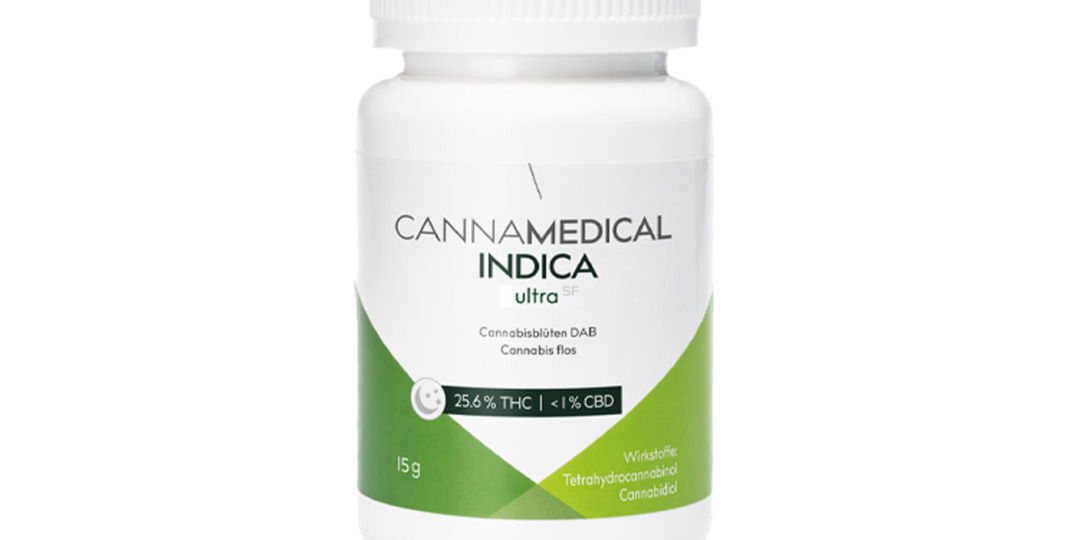
Medical cannabis — in the UK regulatory context — refers specifically to cannabis-based products for medicinal use in humans (CBPMs). These are pharmaceutical-grade medicines that contain THC, CBD, or both, at specified and consistent doses. They are classified as Schedule 2 controlled drugs under the Misuse of Drugs Regulations 2001 (as amended 2018) and are available only on prescription from a GMC-registered specialist consultant.
Medical cannabis products available on prescription in the UK include:
- Dried cannabis flower for vaporisation — produced to EU-GMP pharmaceutical standards by licensed cultivators in Germany, the Netherlands, Portugal, and other regulated markets
- Cannabis oils and tinctures — standardised formulations with specified THC and/or CBD concentrations per dose
- Capsules — fixed-dose oral formulations
- Nabiximols (Sativex) — a 1:1 THC:CBD oromucosal spray, the only cannabis-based medicine with full UK marketing authorisation
- Epidyolex — purified pharmaceutical-grade CBD oral solution, licensed for specific childhood epilepsy conditions (Dravet syndrome, Lennox-Gastaut syndrome)
Unlike OTC CBD products, all prescription cannabis-based medicines are subject to rigorous pharmaceutical quality controls, batch testing, and regulatory oversight by the MHRA.
Key Differences: Legal Status, Prescribing, Potency
The differences between OTC CBD and prescription medical cannabis can be summarised across three key dimensions:
| OTC CBD Products | Prescription Medical Cannabis | |
|---|---|---|
| Legal status | Legal food supplement (FSA regulated) | Schedule 2 controlled drug (MHRA regulated) |
| Availability | Shops, pharmacies, online — no prescription needed | Specialist pharmacy only — prescription required |
| THC content | Trace amounts only (<0.2% or <1mg total) | Specified therapeutic dose — may be high-THC |
| CBD potency | Varies widely; often lower than labelled | Standardised pharmaceutical dose |
| Quality assurance | Variable; depends on manufacturer | EU-GMP certified; batch-tested; MHRA oversight |
| Cost | £20–£100+ for typical consumer products | £150–£400/month via private prescription |
| Medicinal claims permitted | No — food supplement only | Yes — prescribed for specific clinical indications |
When Is CBD Enough?
OTC CBD products may be suitable for people experiencing mild, subclinical symptoms who are looking to support general wellbeing — and who do not have a diagnosed medical condition requiring clinical intervention. Potential applications that CBD users commonly report include:
- Mild stress and general relaxation
- General sleep support in those without a diagnosed sleep disorder
- Post-exercise recovery (CBD is not a prohibited substance in sport as of 2024 WADA regulations)
It is important to note that the clinical evidence for OTC CBD products in these applications is not strongly established. The UK regulatory framework does not permit CBD supplement manufacturers to make clinical claims, precisely because the evidence does not currently support them at the doses found in most consumer products.
When Do Patients Need a Full Medical Cannabis Prescription?
A prescription-grade cannabis-based medicine — including those containing THC — is likely to be considered clinically appropriate when:
- A diagnosed medical condition has not responded adequately to at least two conventional treatments
- Symptoms are severe enough to significantly impact daily functioning, sleep, or quality of life
- The condition falls within established clinical indications — such as chronic pain, treatment-resistant anxiety, PTSD, MS spasticity, or chemotherapy-induced nausea
- A GMC-registered specialist consultant determines that the potential therapeutic benefit outweighs the clinical risks for that individual patient
OTC CBD — even at higher doses — is very unlikely to provide equivalent therapeutic benefit to a full-spectrum pharmaceutical cannabis product for these conditions. The absence of THC, the lower cannabinoid concentrations, and the lack of pharmaceutical-grade standardisation all limit OTC CBD’s efficacy for clinical conditions.
Browse the range of prescription cannabis strains available to UK patients through specialist pharmacies: Strains Database.
The Role of the Entourage Effect
One reason that full-spectrum prescription cannabis is generally considered more effective than CBD-isolate or broad-spectrum products is the "entourage effect" — a term describing the proposed synergistic interaction between the full range of cannabinoids, terpenes, and other phytochemicals naturally present in the cannabis plant.
The entourage effect hypothesis — first articulated by researchers Mechoulam and Ben-Shabat in 1998 — proposes that cannabinoids are more effective in combination than in isolation. Specifically:
- CBD may modulate the psychoactive effects of THC, reducing anxiety and adverse cognitive effects at higher THC doses
- Terpenes such as myrcene, linalool, and beta-caryophyllene may have independent analgesic, anxiolytic, and anti-inflammatory properties that complement cannabinoid activity
- Minor cannabinoids such as CBG (cannabigerol) and CBN (cannabinol) may contribute additional therapeutic effects
The clinical evidence for the entourage effect remains under active investigation. However, it provides a rationale for why whole-plant or full-spectrum prescription cannabis products — including those available from EU-GMP certified cultivators — may offer superior patient outcomes compared with isolated cannabinoid preparations such as OTC CBD isolates.
FAQ: Can I just use CBD instead of getting a prescription?
For mild symptoms without an underlying diagnosed condition, some people find OTC CBD helpful. However, for patients with a diagnosed medical condition that has not responded to conventional treatments, OTC CBD is unlikely to provide adequate therapeutic benefit. A prescription-grade cannabis-based medicine — assessed and prescribed by a specialist consultant — offers pharmaceutical-grade consistency, higher therapeutic cannabinoid doses, and clinical monitoring of patient outcomes.
FAQ: Does CBD show up on a drug test?
Pure CBD isolate should not produce a positive result for THC on a standard drug test. However, full-spectrum OTC CBD products contain trace amounts of THC, and there have been documented cases of individuals testing positive for THC after using high doses of full-spectrum CBD products. If drug testing is a concern — e.g. in an employment context — use CBD products with a CBD-isolate base and zero THC, and be aware that no OTC product can be guaranteed to produce a negative THC result.
FAQ: Is medical cannabis stronger than CBD oil?
Yes, in most cases. Prescription cannabis products — particularly dried flower and high-THC oils — contain substantially higher concentrations of active cannabinoids than OTC CBD products. Dosing is precise, standardised, and monitored by a specialist consultant. The therapeutic potency of prescription cannabis is significantly greater than that of consumer CBD supplements for most clinical conditions.
If you have a diagnosed condition and are wondering whether a medical cannabis prescription might be appropriate, the first step is a specialist consultation. Find a GMC-registered specialist near you: Find a Doctor. For detailed information on specific prescription strains: Strains Database.
Sources & References
- Food Standards Agency: CBD as a novel food — industry guidance (2021)
- MHRA: Cannabis-based products for medicinal use — regulatory overview
- NHS: Medical cannabis — NHS.uk
- Mechoulam R, Ben-Shabat S. From gan-zi-gun-nu to anandamide and 2-arachidonoylglycerol: the ongoing story of cannabis. Natural Product Reports, 1999.
- GOV.UK: Drug licensing factsheet — cannabis, CBD and other cannabinoids