- Is Medical Cannabis Legal in the UK?
- Who Can Prescribe Medical Cannabis in the UK?
- How to Get a Medical Cannabis Prescription
- Medical Cannabis Costs in the UK
- Which Conditions Can Be Treated with Medical Cannabis in the UK?
- EU-GMP Cannabis — What Does It Mean for UK Patients?
- Travelling with Medical Cannabis in the UK
- Frequently Asked Questions
- Conclusion

Find a UK-based prescribing clinician for medical cannabis.
Medically reviewed: May 2026 | Sources: NHS, GOV.UK, MHRA, NICE TA609
Medical cannabis was legalised for prescription in the United Kingdom in November 2018, following amendments to the Misuse of Drugs Regulations 2001 (Schedule 2). Despite this landmark change, access remains limited for most patients — the vast majority of prescriptions are issued privately, not on the NHS. This guide covers everything UK patients need to know about medical cannabis in 2026: who can prescribe it, how to access it, what conditions qualify, and what it costs.
Is Medical Cannabis Legal in the UK?
Yes — medical cannabis is legal in the United Kingdom when prescribed by a specialist consultant. The rescheduling of cannabis-based medicines to Schedule 2 of the Misuse of Drugs Regulations in November 2018 made it legal for GMC-registered specialist consultants to prescribe cannabis-based products for medicinal use in humans (CBPMs).
However, several important distinctions apply:
- Recreational cannabis remains a Class B controlled substance. Personal possession is still illegal and carries criminal penalties.
- Only specialist consultants may prescribe. General practitioners (GPs) cannot initiate a medical cannabis prescription — though they may refer patients to a specialist.
- NHS prescriptions are extremely rare. The NHS funds medical cannabis only in highly specific circumstances, primarily for treatment-resistant childhood epilepsy conditions such as Dravet syndrome and Lennox-Gastaut syndrome, where NICE has issued positive guidance (TA614, TA615). For all other conditions, private prescription is the primary route.
- CBD products are different. Over-the-counter (OTC) CBD products are legal to sell in the UK as food supplements, provided they contain less than 0.2% THC. These are not the same as prescription-grade cannabis-based medicines and are not covered in this guide.
FAQ: Is medical cannabis legal in the UK? Yes — for patients with a valid prescription from a GMC-registered specialist consultant, it is entirely legal to possess and use a cannabis-based medicine in the UK.
FAQ: Can my GP prescribe medical cannabis? No. Under current NHS England guidance, only specialist consultants may initiate a cannabis-based medicine prescription. Your GP may support your application and provide medical records, but cannot prescribe directly.
Who Can Prescribe Medical Cannabis in the UK?
A prescription for a cannabis-based medicine must be issued by a GMC-registered specialist consultant. Relevant specialties include:
- Pain Medicine consultants (for chronic pain conditions)
- Psychiatry consultants (for anxiety, PTSD, sleep disorders)
- Neurology consultants (for epilepsy, multiple sclerosis)
- Oncology consultants (for chemotherapy-induced nausea)
- Palliative Care consultants
In practice, the majority of UK patients access medical cannabis through private specialist clinics. A number of regulated clinics operate in the UK, including Sapphire Medical Clinics, Releaf, Alternaleaf, Rokeby Medical, and Curaleaf Clinic, among others. These clinics operate legally under UK regulations and employ GMC-registered consultants who specialise in cannabis-based medicines.
Patients may self-refer to a private clinic without a GP referral in most cases. However, clinics will require access to medical records and a clinical history before issuing a prescription.
For patients seeking a specialist, visit our Find a Doctor resource.
How to Get a Medical Cannabis Prescription
The process for obtaining a medical cannabis prescription in the UK typically follows these steps:
- GP consultation and documentation. Ensure your medical history, previous diagnoses, and prior treatments are documented by your GP. Most specialists require evidence that at least two conventional treatments have been tried and have not produced satisfactory results.
- Choose your route: NHS referral or private clinic. For most conditions, a private clinic is the realistic option. NHS referrals for medical cannabis are rarely granted and are limited to specific paediatric epilepsy cases.
- Initial specialist consultation. Most private clinics offer an initial online consultation via video call. The consultant will review your medical history, current medications, and symptom severity. This typically costs £100–£250.
- Prescription issued. If clinically appropriate, the consultant will issue a prescription for a cannabis-based medicine. This will specify the product type (flower, oil, capsule), strain, dose, and method of administration.
- Dispensed at a specialist pharmacy. Medical cannabis prescriptions cannot be dispensed at standard high-street pharmacies. They must be fulfilled by a MHRA-authorised specialist pharmacy. A number of registered pharmacies in the UK are licensed to dispense cannabis-based medicines and offer home delivery services.
Timeline: Most patients can expect to receive their first prescription within 2–8 weeks of their initial consultation, depending on clinic availability and the time required to obtain and review medical records.
Find a dispensing pharmacy near you: UK Dispensing Pharmacies.
Medical Cannabis Costs in the UK
Because NHS prescriptions for medical cannabis are extremely rare, the vast majority of UK patients bear the cost privately. Typical costs in 2026 include:
- Initial consultation: £100–£250 (one-off fee with a specialist consultant)
- Follow-up consultations: £50–£150 (typically required every 1–3 months)
- Monthly prescription cost: £150–£400 per month, depending on the product type, strain, and dose prescribed
Product types available include:
- Dried flower (for vaporisation): typically £8–£15 per gram
- Oils and tinctures: wide range, typically £40–£120 per bottle
- Capsules: available from select pharmacies
- Vape cartridges: available from select suppliers
Some private health insurers are beginning to offer partial coverage for medical cannabis treatment. It is worth consulting your insurer directly. NHS reimbursement is not available for most patients at present.
FAQ: How much does medical cannabis cost in the UK? Most patients pay between £150 and £400 per month for their prescription, plus an initial consultation fee of £100–£250. Costs vary by clinic, product type, and dose.
Which Conditions Can Be Treated with Medical Cannabis in the UK?
Medical cannabis is not approved as a first-line treatment for any condition in the UK. It is typically considered only after at least two conventional treatments have failed to produce satisfactory therapeutic benefit. Conditions for which medical cannabis is commonly prescribed in the UK include:
- Chronic pain — the largest patient group in the UK, including neuropathic pain, fibromyalgia, and musculoskeletal pain
- Anxiety disorders and PTSD — including generalised anxiety disorder and post-traumatic stress disorder
- Sleep disorders and insomnia — particularly where insomnia is secondary to chronic pain or anxiety
- Multiple sclerosis spasticity — Sativex (nabiximols) is the only cannabis-based medicine with a UK marketing authorisation, specifically licensed for MS-related spasticity
- Chemotherapy-induced nausea and vomiting — where conventional antiemetics have proved insufficient
- Treatment-resistant epilepsy — including Dravet syndrome and Lennox-Gastaut syndrome; Epidyolex (cannabidiol) is NICE-approved (TA609, TA614) for these conditions
Different cannabis strains and formulations are associated with different therapeutic profiles. Our Strains Database provides detailed information on products available to UK patients by condition.
FAQ: What conditions qualify for medical cannabis in the UK? The most common qualifying conditions are chronic pain, anxiety, PTSD, insomnia, MS spasticity, chemotherapy-induced nausea, and treatment-resistant epilepsy. Eligibility is assessed on a case-by-case basis by a specialist consultant.
EU-GMP Cannabis — What Does It Mean for UK Patients?
EU-GMP stands for European Good Manufacturing Practice — the European standard for pharmaceutical production. For medical cannabis patients, EU-GMP certification is a critical quality indicator.
EU-GMP certification means that a cannabis cultivator or manufacturer:
- Produces to consistent, documented standards across every batch
- Undergoes regular independent audits and inspections
- Maintains full batch traceability (from seed to prescription)
- Meets contamination-free standards for heavy metals, pesticides, and microbial content
The MHRA (Medicines and Healthcare products Regulatory Agency) accepts EU-GMP certificates from cultivators in Germany, the Netherlands, Portugal, and other regulated EU markets. This means that when a UK patient receives a cannabis-based medicine sourced from an EU-GMP certified producer, they can be confident in the consistency and safety of each dose.
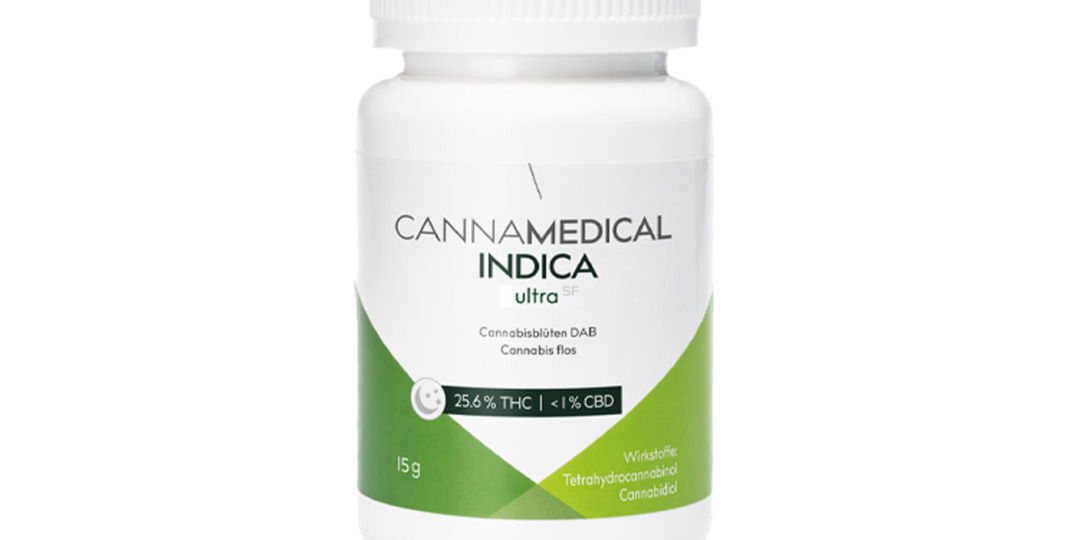
Cannamedical Britannia exclusively works with EU-GMP certified cultivators across its product portfolio. Learn more about our quality standards: Quality & EU-GMP Compliance.
Travelling with Medical Cannabis in the UK
Travelling with a medical cannabis prescription within the UK is generally straightforward, provided the medication is carried in its original pharmacy packaging with accompanying prescription documentation. Patients should carry:
- The original prescription letter from the specialist consultant
- The pharmacy dispensing label on the original packaging
- A clinical letter from the prescribing clinic confirming the prescription
International travel is considerably more complex. Cannabis remains a controlled or illegal substance in the majority of countries worldwide, regardless of UK prescription status. Taking medical cannabis abroad from a UK airport is technically illegal, even with a valid prescription, as UK prescriptions do not confer legal protection in other jurisdictions. Patients planning international travel should seek specialist legal advice before attempting to travel with medical cannabis.
Driving on medical cannabis: This is an important and often misunderstood area. See our dedicated guide for full information.
Frequently Asked Questions
1. Is medical cannabis legal in the UK?
Yes. Medical cannabis was rescheduled to Schedule 2 of the Misuse of Drugs Regulations in November 2018, making it legal to prescribe and possess with a valid specialist prescription. Recreational use remains illegal (Class B).
2. Can my GP prescribe medical cannabis?
No. Only GMC-registered specialist consultants can initiate a medical cannabis prescription. Your GP can provide a referral and supporting medical records.
3. How much does medical cannabis cost in the UK?
Initial consultation: typically £100–£250. Ongoing prescription: £150–£400 per month depending on product and dose. NHS funding is not available for most conditions.
4. How long does it take to get a medical cannabis prescription?
Most patients receive their first prescription within 2–8 weeks of their initial consultation, subject to clinic availability and medical records review.
5. Can I drive if I take medical cannabis?
This is legally complex. UK drug-driving law (Drug Driving Act 2015) sets a blood THC limit of 2 micrograms per litre — a threshold that some cannabis patients may exceed even without acute impairment. Patients must inform the DVLA and their insurer. A "medical defence" exists but is limited in scope. We strongly recommend consulting your prescribing specialist and seeking legal advice before driving.
6. What conditions qualify for medical cannabis in the UK?
The most commonly prescribed conditions are chronic pain, anxiety, PTSD, insomnia, MS spasticity, chemotherapy-induced nausea, and treatment-resistant epilepsy. Eligibility is determined by a specialist consultant based on your individual clinical history.
Conclusion
Medical cannabis access in the UK has expanded significantly since 2018, but navigating the system requires knowledge of the legal framework, the prescribing pathway, and the costs involved. The most important steps for any prospective patient are: document your medical history thoroughly, ensure prior conventional treatments are on record, and consult with a GMC-registered specialist.
To explore products available for your condition, visit our Strains Database. To find a specialist consultant, use our Find a Doctor tool. For patients new to the prescribing process, our step-by-step prescription guide provides a practical walkthrough of each stage.
Sources & References
- NHS: Medical cannabis — NHS.uk
- GOV.UK: Misuse of Drugs Regulations 2001 — Schedule 2 Amendment (November 2018)
- NICE Technology Appraisal TA609: Cannabidiol (Epidyolex) for treating seizures associated with Lennox-Gastaut syndrome and Dravet syndrome
- MHRA Drug Safety Update: Cannabis-based products for medicinal use — guidance for prescribers