Find a UK-based prescribing clinician for medical cannabis.
Medically reviewed: May 2026 | Sources: NICE, BMJ, The Lancet, NHS
For a full overview of medical cannabis access in the UK, read our medical cannabis UK guide.
Chronic pain is by far the largest patient group among UK medical cannabis recipients. Data from the UK Medical Cannabis Registry — the largest observational dataset of its kind in Europe — consistently shows that pain-related conditions account for approximately 40–50% of all new patient registrations. This article examines what the clinical evidence shows about cannabis-based medicines for chronic pain, which products are used, how to access a prescription, and what patients can realistically expect in terms of therapeutic benefit.
What Does the Clinical Evidence Say?
The evidence base for medical cannabis in chronic pain has grown substantially over the past decade, though it remains the subject of ongoing research and some clinical debate.
Key findings from peer-reviewed literature include:
- A 2018 systematic review published in The Lancet found moderate-quality evidence that cannabinoids were associated with statistically significant improvements in pain intensity, with a number needed to treat (NNT) of approximately 24 for 30% pain reduction.
- The NICE evidence review (2019) on cannabis-based medicines acknowledged emerging evidence of therapeutic benefit in chronic neuropathic pain, while noting the need for longer-term trial data.
- A 2022 BMJ analysis of UK Medical Cannabis Registry data found that 56.4% of chronic pain patients reported clinically meaningful improvements in pain scores after three months of treatment, alongside improvements in sleep quality and health-related quality of life.
- A 2024 systematic review in Pain (the journal of the International Association for the Study of Pain) concluded that THC-containing cannabis products are more effective for pain reduction than CBD-only products, particularly for neuropathic pain.
Important caveats: many existing studies are short-term, involve small sample sizes, or have methodological limitations. Medical cannabis is not a first-line treatment and is not effective for all patients with chronic pain. Individual response varies considerably.
Which Strains and Products Are Used for Chronic Pain?
Cannabis-based medicines for chronic pain broadly fall into two categories:
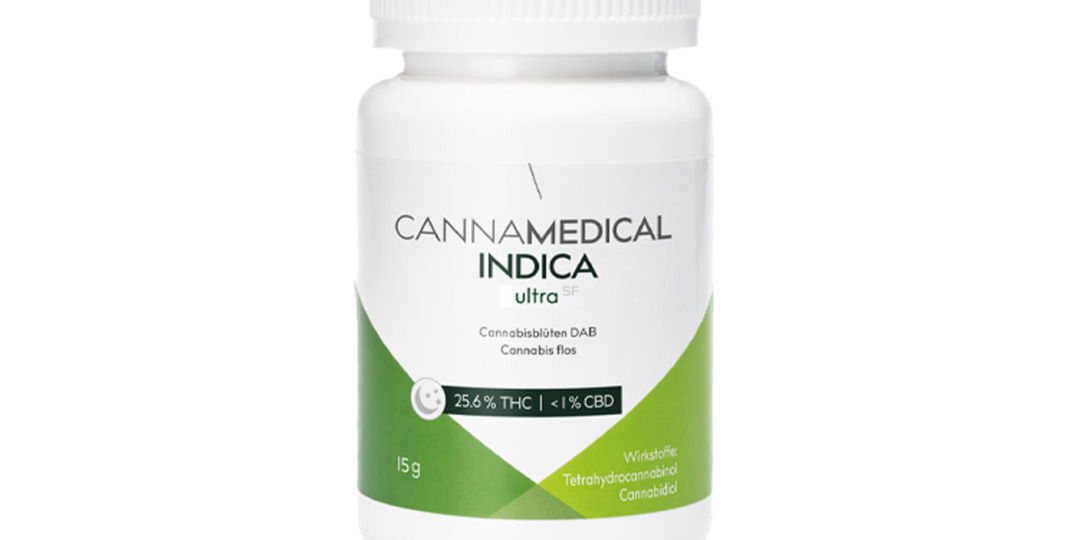
THC-dominant flower and oils are most commonly prescribed for neuropathic pain, fibromyalgia, and musculoskeletal pain. THC (tetrahydrocannabinol) acts on CB1 receptors in the central and peripheral nervous system, modulating pain signalling pathways. Products range from indica-dominant and balanced (1:1 THC:CBD) strains to sativa-dominant varieties, with prescribing consultants typically starting patients on lower-THC products and titrating upward based on clinical response.
CBD-dominant and balanced (1:1) formulations are sometimes used as initial therapy or for patients who cannot tolerate THC. While CBD has demonstrated anti-inflammatory and anxiolytic properties, the evidence for its efficacy in pain management as a standalone treatment is weaker than for THC-containing products.
Nabiximols (Sativex) — a 1:1 THC:CBD oromucosal spray — is the only cannabis-based medicine with a full UK marketing authorisation, licensed specifically for MS-related spasticity. It is occasionally prescribed off-label for other pain conditions.
Methods of administration include vaporisation of dried flower (avoiding combustion), sublingual oils, and capsules. Vaporisation provides faster onset (typically 5–15 minutes) with shorter duration; oils provide slower onset (30–90 minutes) with longer duration, which may be preferable for patients with persistent rather than episodic pain.
Browse EU-GMP certified strains available to UK patients: Strains Database.
How to Get a Prescription for Chronic Pain
To access a medical cannabis prescription for chronic pain in the UK, patients must demonstrate the following to a specialist consultant:
- Formal diagnosis of a chronic pain condition — e.g. neuropathic pain, fibromyalgia, CRPS, chronic low back pain, or similar
- Evidence of at least two failed conventional treatments — e.g. pregabalin, gabapentin, amitriptyline, duloxetine, opioids, physiotherapy, or pain psychology
- Documented functional impact of the condition on daily life, sleep, and mental health
- No contraindications — including a personal or family history of psychosis, certain cardiovascular conditions, or active substance use disorder
Relevant specialist consultants for chronic pain prescriptions include Pain Medicine consultants, Rheumatology consultants, and occasionally Psychiatry consultants where the pain condition is comorbid with significant anxiety or PTSD.
For guidance on the full prescription process, visit our Find a Doctor resource and the prescription access guide.
Patient Outcomes: What to Realistically Expect
Setting realistic expectations is an important part of responsible prescribing. Medical cannabis is not a cure for chronic pain, and not all patients respond to treatment.
Based on UK Medical Cannabis Registry data and published clinical evidence, a reasonable set of expectations for chronic pain patients includes:
- Pain reduction: Approximately 50–60% of patients report meaningful improvement in pain scores, typically measured as a reduction of 30% or more on validated pain scales (e.g. NRS-11)
- Sleep improvement: Many patients report significant improvements in sleep quality, often considered one of the most consistent benefits across the chronic pain patient population
- Functional improvement: Improvements in daily functioning, mobility, and ability to engage in work and social activities are reported by a significant proportion of patients
- Reduced use of other analgesics: Some patients are able to reduce their dependence on opioid medications or other analgesics, under careful medical supervision
- Non-response: Approximately 30–40% of patients do not find adequate therapeutic benefit and may discontinue treatment within the first 3–6 months
Clinical monitoring by the prescribing consultant — including structured assessment at follow-up appointments — is essential to evaluate patient outcomes and adjust dosing accordingly.
Side Effects and Risk Management
Cannabis-based medicines carry a recognised side effect profile. Patients should be aware of the following before commencing treatment:
- Common side effects: Dry mouth, fatigue, dizziness (particularly on standing), changes in appetite, and mild cognitive effects such as short-term memory impairment at higher doses
- Mood effects: Some patients experience improvements in anxiety and mood; a minority may experience increased anxiety, particularly with high-THC products at higher doses
- Tolerance: Regular use of cannabis-based medicines can lead to the development of tolerance, requiring dose adjustment over time. This should be managed proactively with the prescribing consultant
- Drug interactions: Cannabis-based medicines interact with a number of commonly prescribed drugs, including blood thinners (warfarin), certain antiepileptics, and some antidepressants. Always provide a full medication list to your prescribing consultant
- Contraindications: Medical cannabis is contraindicated in patients with a personal or family history of psychosis or schizophrenia, during pregnancy and breastfeeding, and in patients with severe cardiovascular disease
All UK-based specialist clinics are required to conduct structured risk assessments before prescribing. Ongoing monitoring of patient outcomes and side effects is a condition of continued prescribing.
FAQ: Can I drive if I take medical cannabis for pain? Driving on medical cannabis is legally complex in the UK. UK drug-driving law (Drug Driving Act 2015) sets a blood THC limit of 2 micrograms per litre. THC from prescribed cannabis may remain in the bloodstream above this limit for hours after dosing, even when the patient does not feel impaired. Patients should consult their prescribing specialist and inform the DVLA and their insurer before driving. See our dedicated guide on driving and medical cannabis in the UK for full information.
FAQ: Will I build up a tolerance to medical cannabis? Tolerance to the effects of THC can develop with regular use, particularly at higher doses. This is managed through dose titration, planned breaks from treatment (drug holidays), and rotation between different formulations. Your prescribing consultant will monitor for tolerance development at follow-up appointments.
Sources & References
- Aviram J, Samuelly-Leichtag G. Efficacy of Cannabis-Based Medicines for Pain Management. The Journal of Pain, 2017.
- NICE: Cannabis-based medicinal products — evidence review, 2019
- BMJ: Effectiveness of medical cannabis for chronic pain in the UK Medical Cannabis Registry, 2022
- The Lancet: Cannabinoids for medical use — a systematic review and meta-analysis, 2018
- NHS: Medical cannabis — NHS.uk