Find a UK-based prescribing clinician for medical cannabis.
Defining Medical Cannabis
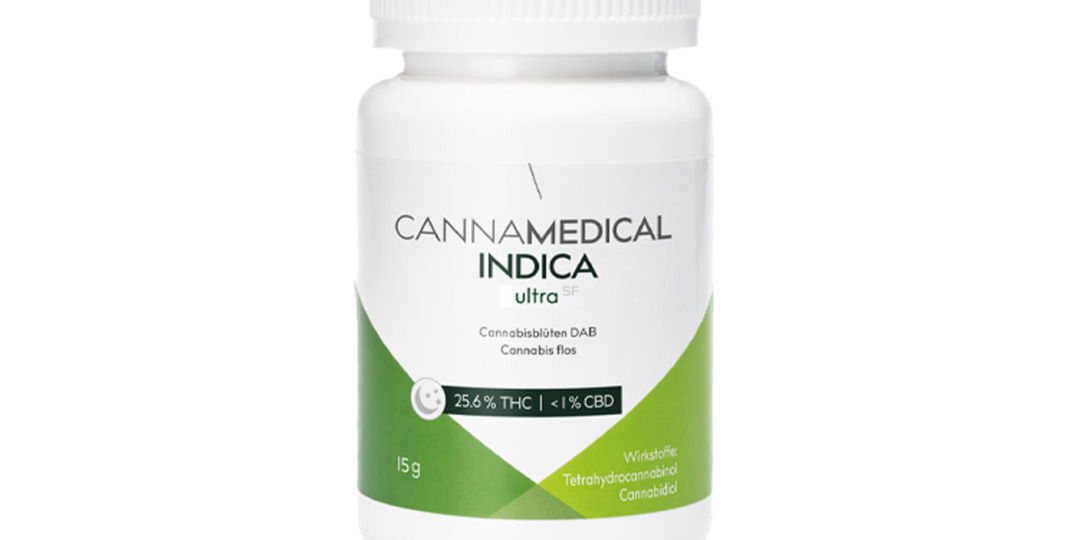
- Medical cannabis refers to standardised, pharmaceutical-grade cannabis products prescribed to treat specific conditions
- Unlike street cannabis, every batch is tested for cannabinoid content, microbial contamination and pesticide residues
- The two primary active compounds are THC (tetrahydrocannabinol) and CBD (cannabidiol)
- Products range from high-THC flower and oils to balanced THC:CBD formulations and CBD-dominant options
The defining difference between medical and recreational cannabis is control. Medical products carry a Certificate of Analysis, a known composition and a prescribing clinician who monitors your response.
How Does It Work in the Body?
- Cannabinoids interact with the endocannabinoid system (ECS), a network of receptors found throughout the body and brain
- CB1 receptors are concentrated in the brain and central nervous system; CB2 receptors are more prevalent in immune tissue
- THC binds strongly to CB1 receptors, producing pain relief, appetite stimulation and, at higher doses, psychoactive effects
- CBD does not bind directly to CB1 or CB2 but modulates receptor activity and has its own anti-inflammatory properties
The ECS plays a role in regulating pain, sleep, mood and immune response. By targeting this system, cannabis-based medicines can address several of the mechanisms underlying chronic conditions.
What Conditions Is It Used For in the UK?
- Chronic pain (neuropathic, musculoskeletal, cancer-related)
- Multiple sclerosis spasticity — Sativex (nabiximols) is the only NICE-recommended cannabis medicine
- Intractable childhood epilepsy (e.g. Dravet syndrome) — Epidyolex is licensed for this
- PTSD, generalised anxiety disorder and treatment-resistant depression (private prescriptions, evidence still emerging)
The clinical evidence base is stronger for some conditions than others. Chronic pain and MS spasticity have the most robust published data, which is why these represent the highest volume of prescriptions in the UK.
Is It the Same as Recreational Cannabis?
- No. Medical products are standardised, dosed and quality-assured; street cannabis is unregulated and variable
- Medical cannabis is Schedule 2 under the Misuse of Drugs Regulations 2001 — it can be legally prescribed
- Recreational cannabis remains a Class B drug in the UK; possession is a criminal offence
- Patients should never substitute their prescription with illicit cannabis — potency and contamination risks are significant
The legal and pharmaceutical distinction matters enormously for patient safety. A prescription gives you a known product at a known dose — something that illicit sources can never guarantee.