Find a UK-based prescribing clinician for medical cannabis.
The Two Principal Cannabinoids: An Introduction
- THC (tetrahydrocannabinol) is the primary psychoactive compound in cannabis
- CBD (cannabidiol) is non-psychoactive and the second most abundant cannabinoid in most preparations
- Both are derived from the same precursor molecule (CBGA) via different enzymatic pathways
- They interact with the endocannabinoid system in fundamentally different ways
- The ratio of THC to CBD in a preparation largely determines its clinical profile
Understanding the distinction between THC and CBD is essential for any patient considering medical cannabis. These two cannabinoids produce markedly different effects, carry different risk profiles, and suit different clinical indications. A well-informed patient can work with their prescriber to select a preparation that maximises therapeutic benefit while minimising unwanted effects.
THC: Mechanisms, Benefits, and Risks
- THC directly activates CB1 receptors in the brain, producing analgesia, euphoria, and anti-nausea effects
- Clinically effective for: neuropathic pain, MS spasticity, chemotherapy-induced nausea, Tourette syndrome
- May cause anxiety, paranoia, short-term memory impairment, and psychomotor slowing at higher doses
- Psychoactive effects can be mitigated by co-administration with CBD
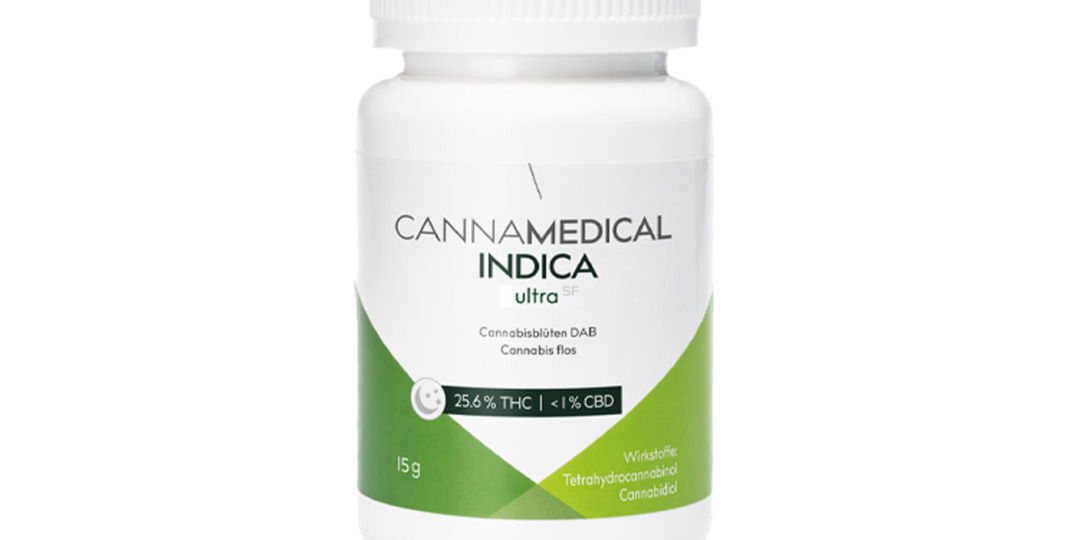
- Products are Schedule 2 — controlled medicines requiring a specialist prescription in the UK
THC is the workhorse cannabinoid for severe, treatment-refractory conditions. Its direct action at CB1 receptors produces powerful analgesia and muscle relaxation that CBD cannot replicate. However, these same receptor interactions produce psychoactive effects that make THC unsuitable as a first-line option for many patients — particularly those who are elderly, have mental health vulnerabilities, or need to drive.
CBD: Mechanisms, Benefits, and Risk Profile
- CBD does not directly activate CB1 receptors — explaining its absence of psychoactive effects
- It inhibits FAAH (raising anandamide), acts on TRPV1 pain channels, and modulates serotonin receptors
- Clinically effective for: epilepsy (Epidyolex), anxiety, inflammation, sleep, and mild neuropathic pain
- Has a favourable safety profile — most common side effects are fatigue and diarrhoea at high doses
- Interacts with several medications via CYP450 enzyme inhibition — disclose to your prescriber
CBD’s non-psychoactive profile makes it suitable for a wider range of patients, including those who cannot tolerate THC’s mind-altering effects. It is the preferred starting point for elderly patients, patients in professional settings where cognitive impairment is unacceptable, and those new to medical cannabis. For many conditions, CBD alone provides meaningful symptom relief — with THC added only if response is insufficient.
Choosing the Right THC:CBD Ratio
- High-CBD (>20:1 CBD:THC): Optimal for anxiety, mild pain, inflammation, epilepsy — no psychoactivity
- Balanced (1:1 THC:CBD): Optimal for moderate-to-severe pain, sleep, and spasm — mild psychoactivity
- High-THC (>10:1 THC:CBD): Optimal for severe neuropathic pain, advanced cancer pain, MS spasticity
- Evening preparations tend to use higher THC ratios; daytime preparations favour CBD dominance
- Individual variation is significant — starting low and titrating slowly is always advised
The optimal THC:CBD ratio is not one-size-fits-all. A prescriber will consider your diagnosis, symptom severity, lifestyle, prior cannabis experience, and any co-morbidities before recommending a ratio. Most patients start with a CBD-dominant preparation and gradually increase THC content if needed. The goal is always the minimum effective dose that delivers meaningful clinical benefit.