Find a UK-based prescribing clinician for medical cannabis.
Understanding PTSD and Its Treatment Challenges
- Post-traumatic stress disorder affects an estimated 4% of the UK population at any one time; lifetime prevalence is significantly higher among military veterans, emergency service workers and survivors of abuse.
- Core PTSD symptoms include intrusive memories, hypervigilance, emotional numbing, nightmares and avoidance behaviours that together severely impair quality of life.
- First-line treatments — trauma-focused CBT and EMDR — are effective for many patients but require skilled therapists and may take months to produce results.
- SSRIs and SNRIs are approved pharmacological options for PTSD but have limited efficacy in around 40% of patients, particularly for hyperarousal and sleep disturbance.
The significant proportion of PTSD patients who do not respond adequately to evidence-based treatments represents a major clinical gap that medical cannabis is beginning to address.
The Endocannabinoid System and Trauma
- Research has shown that PTSD patients have reduced endocannabinoid levels compared to healthy controls, particularly in brain regions involved in fear memory processing.
- CB1 receptors in the amygdala and hippocampus — brain areas central to fear conditioning and memory consolidation — are directly modulated by THC and CBD.
- THC may reduce the vividness and emotional charge of traumatic memories by disrupting fear memory consolidation, potentially reducing intrusive symptoms.
- CBD has demonstrated anxiolytic and sleep-promoting properties in clinical research, addressing two of the most disabling PTSD symptom clusters.
The mechanistic rationale for cannabis in PTSD is among the strongest in cannabis medicine, grounded in neurobiological evidence linking endocannabinoid deficiency to the trauma response.
Clinical Evidence for Cannabis in PTSD
- A 2020 randomised controlled trial of nabilone, a synthetic THC analogue, showed significant reductions in nightmares and overall PTSD symptom severity in military veterans.
- The Canadian armed forces have been among the earliest institutional adopters of medical cannabis for PTSD, with observational data showing reductions in hypervigilance and sleep disruption.
- UK specialist clinics report PTSD as one of the fastest-growing prescribing indications; outcome data from the MCAP programme shows improvements in PTSD checklist scores at 6 months.
- Observational studies consistently report that cannabis-treated PTSD patients reduce or eliminate their use of benzodiazepines and opioids, reducing polypharmacy risk.
The combination of mechanistic plausibility and positive real-world outcome data makes PTSD one of the most compelling indications for medical cannabis prescribing in the UK.
Accessing Medical Cannabis for PTSD in the UK
- UK specialist clinics assess PTSD as a qualifying condition; patients must provide evidence of diagnosis and document previous treatment attempts including psychotherapy.
- Veterans in the UK can access assessment through veteran-specialist cannabis clinics that have established relationships with NHS veteran mental health services.
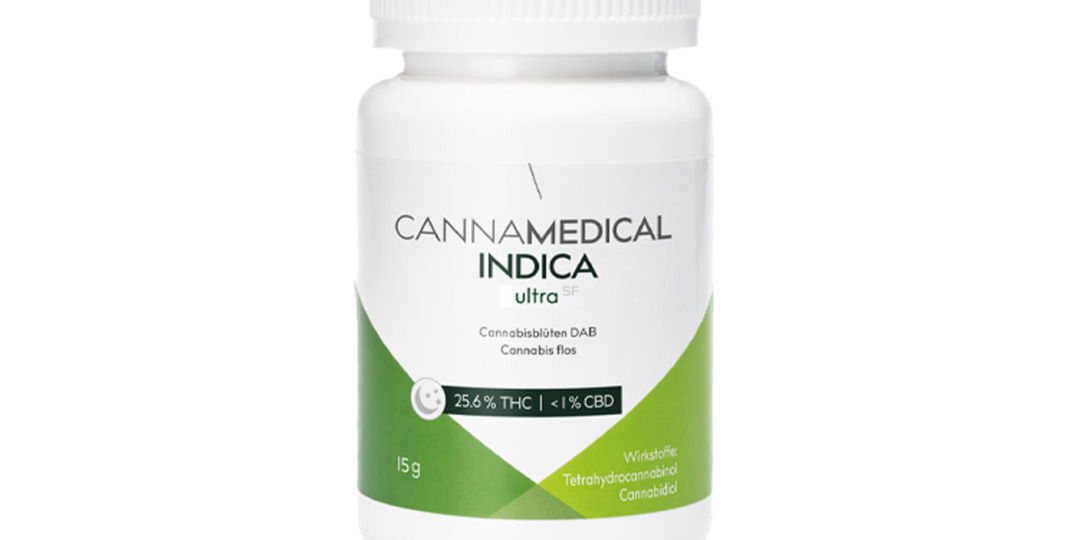
- Products prescribed for PTSD typically combine a CBD-dominant preparation for daytime anxiety management with a THC-containing product for evening sleep support.
- Concurrent psychotherapy is recommended alongside medical cannabis prescribing for PTSD; cannabis is most effective as an adjunct to trauma processing, not a substitute.
UK veterans and trauma survivors with PTSD who have not responded to conventional treatments have a clear pathway to medical cannabis assessment through specialist prescribing clinics.