- What Does the Research Say About Cannabis for Sleep?
- Types of Sleep Disorders Treated with Medical Cannabis in the UK
- Which Cannabis Products Are Prescribed for Sleep in the UK?
- How to Get a Prescription for Sleep Problems
- Cost of Medical Cannabis for Sleep in the UK
- Risks and Side Effects to Consider
- Frequently Asked Questions
- Sources and Further Reading

Find a UK-based prescribing clinician for medical cannabis.
Insomnia and sleep disorders affect an estimated one in three adults in the United Kingdom. For many patients, conventional treatments — including sleep hygiene programmes, cognitive behavioural therapy for insomnia (CBT-i), and NHS-prescribed sleeping tablets such as zopiclone or temazepam — provide insufficient or unsustainable relief. Over recent years, medical cannabis has emerged as a clinically monitored alternative, and sleep-related conditions now represent one of the most frequently cited indications among patients enrolled in UK specialist cannabis programmes.
This guide outlines the current clinical evidence, the types of sleep disorders that may be eligible for treatment, the cannabis products most commonly prescribed, the process for accessing a prescription, and the costs and risks every patient should understand before pursuing this pathway.
What Does the Research Say About Cannabis for Sleep?
The scientific understanding of cannabis and sleep has advanced considerably since the UK legalised medical cannabis prescribing in November 2018. Two bodies of evidence are particularly relevant to UK clinicians and patients: the data emerging from the Project TWENTY21 observational registry and the broader mechanistic research on the endocannabinoid system.
Project TWENTY21 Findings
Project TWENTY21, the UK’s largest real-world medical cannabis registry, enrolled over 3,000 patients across multiple conditions by 2023. Among participants treated for sleep disorders and insomnia, patient-reported outcomes showed statistically significant improvements in sleep quality scores after three months of monitored treatment. Published analyses noted reductions in sleep-onset latency and improvements in total sleep time, with a favourable tolerability profile when cannabis products were titrated appropriately under clinical supervision.
The Endocannabinoid System and Sleep Regulation
Sleep architecture is partly regulated by the body’s endocannabinoid system (ECS). CB1 receptors are densely expressed in regions of the brain responsible for sleep-wake transitions, including the hypothalamus, basal ganglia, and brainstem. Endogenous cannabinoids such as anandamide and 2-AG influence circadian rhythm regulation, adenosine accumulation (the “sleep pressure” molecule), and the activity of wake-promoting neurons.
When exogenous cannabinoids such as THC and CBD interact with this system, the effects on sleep are dose-dependent and product-dependent. THC acts as a CB1 agonist and has been shown in clinical studies to reduce sleep-onset time at low to moderate doses. However, THC is also associated with suppression of rapid eye movement (REM) sleep — the sleep stage most associated with emotional memory consolidation and dreaming. In patients where REM sleep disruption underlies their condition (such as REM sleep behaviour disorder in Parkinson’s patients), this effect requires careful clinical consideration. For patients whose primary complaint is difficulty initiating or maintaining sleep without REM-related complications, the REM-suppressive effect is generally managed through careful dose titration.
CBD and Sleep Quality
Cannabidiol (CBD) operates through different mechanisms, including modulation of the serotonin 5-HT1A receptor and inhibition of FAAH (the enzyme that breaks down anandamide). A 2019 study published in The Permanente Journal found that 79% of patients with anxiety and sleep complaints reported improved anxiety scores within the first month, with 66% reporting improved sleep scores. A 2023 randomised controlled trial examining CBD in patients with insomnia disorder demonstrated significant improvements in subjective sleep quality without the next-day sedation profile associated with pharmaceutical hypnotics.
Balanced THC:CBD formulations are increasingly prescribed for sleep in the UK, as evidence suggests that CBD may attenuate some of the adverse cognitive effects of THC while contributing independently to sleep-supportive outcomes.
Types of Sleep Disorders Treated with Medical Cannabis in the UK
Medical cannabis prescribing for sleep in the UK is not limited to primary insomnia. Clinicians operating within licensed specialist pathways consider cannabis for several distinct presentations, each with different underlying mechanisms and treatment considerations.
Primary Insomnia
Primary insomnia — where sleep difficulty is not directly caused by another medical or psychiatric condition — affects approximately 10% of the UK adult population chronically. Patients who have failed CBT-i or experienced unacceptable side effects from licensed hypnotics may be assessed for a cannabis-based medicinal product (CBMP) prescription. Specialist clinicians typically evaluate the duration of the condition, prior treatment history, and the degree of functional impairment before recommending this pathway.
PTSD-Related Sleep Disturbance
Post-traumatic stress disorder (PTSD) is among the most robustly studied indications for medical cannabis in sleep contexts. Nightmares and sleep fragmentation are hallmarks of PTSD, and conventional treatments (prazosin, SSRIs) show variable efficacy. THC has been shown to reduce nightmare frequency and intensity, likely through its REM-suppressive mechanism. In this specific context, REM suppression represents a therapeutic benefit rather than a side effect. The Medical Cannabis Clinicians Society (MCCS) and several UK specialist clinics have published case series demonstrating meaningful patient outcomes in this population.
Chronic Pain-Related Insomnia
Pain is the most common co-occurring condition in patients prescribed medical cannabis in the UK. Poor sleep and chronic pain form a bidirectional relationship: pain disrupts sleep, and sleep deprivation lowers pain thresholds. Many patients enrolled in pain-focused cannabis programmes report secondary improvements in sleep quality as a significant patient outcome alongside analgesia. Indica-dominant and balanced THC:CBD products are frequently prescribed in evening or night-time dosing schedules to address both pain and sleep simultaneously.
Anxiety-Driven Sleep Problems
Anxiety disorders are a leading cause of sleep-onset insomnia, and cannabis prescribing for anxiety increasingly incorporates sleep outcomes as a secondary measure. CBD-dominant or balanced formulations are typically favoured here, given CBD’s anxiolytic profile and the risk that high-THC products may exacerbate anxiety in some patients. Specialist clinicians conduct thorough assessments to determine the ratio and dosing strategy most appropriate for individual presentations.
Which Cannabis Products Are Prescribed for Sleep in the UK?
UK specialist clinicians prescribe cannabis-based medicinal products in two primary delivery formats for sleep: dried cannabis flower (for vaporisation) and oral cannabis oil formulations. The choice of product depends on the patient’s clinical profile, prior experience, and lifestyle considerations.
Indica-Dominant Strains
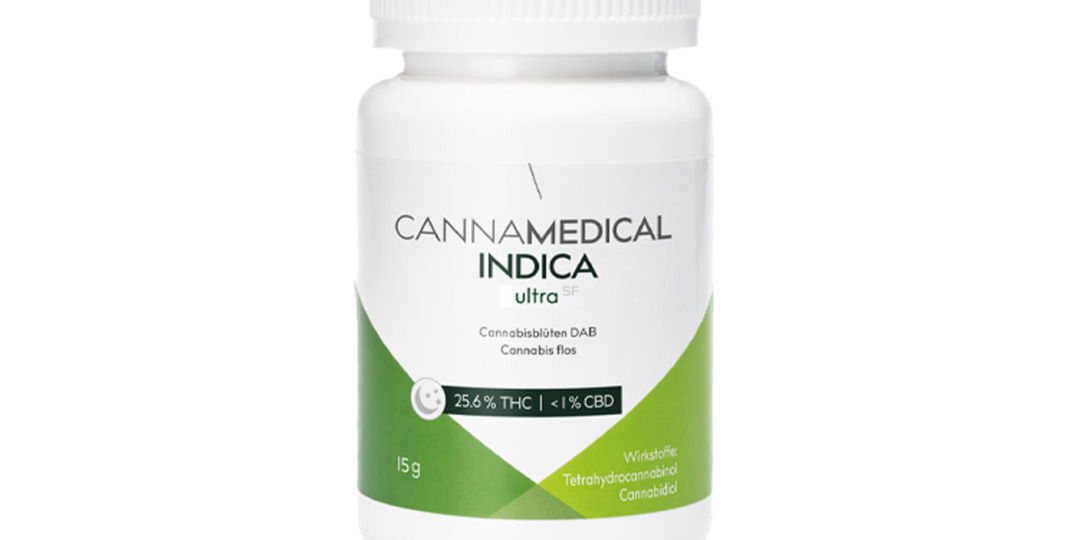
Indica-dominant cultivars are most commonly associated with sedating therapeutic effects and are frequently prescribed for evening or night-time use in sleep-disorder patients. Among the cultivars available through UK-licensed supply chains, varieties such as Northern Lights (a classic indica with a well-characterised terpene profile including myrcene and linalool) and Granddaddy Purple (GDP, a high-myrcene, high-THC cultivar) have demonstrated consistent patient-reported outcomes for sleep onset and maintenance. For a full overview of available strains and their therapeutic profiles, see the Cannamedical Britannia Strain Guide.
Cannabis Oils for Sleep
Oral cannabis oils provide a longer onset (typically 45–90 minutes) but a more sustained duration of effect (4–8 hours) compared to vaporised flower. For patients whose primary concern is staying asleep through the night rather than sleep onset, oils prescribed 1–2 hours before the intended sleep time can provide a more consistent therapeutic window. Full-spectrum oils containing both THC and CBD, alongside minor cannabinoids and terpenes, are generally preferred for their potential entourage effect — a term describing the synergistic interaction between multiple cannabis constituents.
Vaporised Flower for Sleep Onset
Dried flower prescribed for medical vaporisation (using a regulated medical device such as a Mighty Medic or Volcano Medic) provides a rapid onset of effects within 5–15 minutes, making it well-suited for patients who struggle primarily with sleep onset. Clinicians typically recommend vaporisation 30–60 minutes before the intended sleep time, at the lowest effective temperature (typically 170–185°C to preserve therapeutic terpenes while minimising combustion by-products).
How to Get a Prescription for Sleep Problems
Accessing medical cannabis for insomnia or sleep disorders in the UK follows a defined regulatory pathway. All prescriptions must be issued by a GMC-registered specialist holding an appropriate specialist qualification — general practitioners cannot prescribe medical cannabis under current NICE and NHS England guidance.
Step 1: Document Your Sleep History with Your GP
Before consulting a specialist clinic, patients should ensure their GP has documented their sleep condition, including the duration of symptoms, treatments already tried (over-the-counter sleep aids, CBT-i, prescribed medication), and the functional impact on daily life. This documentation forms the clinical foundation for a specialist assessment and reduces delays in the prescribing process.
Step 2: Specialist Consultation
A specialist in sleep medicine, psychiatry, or another relevant discipline will review the patient’s full clinical history, assess eligibility according to current clinical guidance, and — where appropriate — issue a prescription for a named cannabis-based medicinal product. Follow-up appointments are required to monitor outcomes and adjust dosing. Telehealth consultations are available through several UK-licensed specialist clinics, making access significantly more convenient for patients across England, Wales, Scotland, and Northern Ireland.
To check your eligibility and find a specialist, visit our Find a Doctor page for an overview of UK-based prescribing clinicians experienced in sleep-related indications.
Step 3: Dispensing
Once issued, prescriptions for Schedule 2 cannabis products must be dispensed through a licensed pharmacy holding the appropriate Home Office authority. A growing network of specialist dispensing pharmacies across the UK can receive electronic prescriptions and dispatch products by tracked delivery. Patients should be prepared to provide proof of identity and prescription reference at the point of dispensing.
For further context on the overall UK prescription process, see our Complete UK Patient Guide to Medical Cannabis.
Cost of Medical Cannabis for Sleep in the UK
Medical cannabis is not currently available on NHS prescription for insomnia or most sleep disorders (Epidyolex for severe epilepsy and Sativex for MS spasticity remain the exceptions). All other prescriptions are issued on a private basis, and patients should factor the following costs into their assessment.
| Cost Element | Medical Cannabis (Sleep) | NHS Sleeping Tablets (Zopiclone) |
|---|---|---|
| Initial consultation | £100–£200 | Free (GP appointment) |
| Monthly product cost | £100–£300 | £0–£9.90 (prescription charge) |
| Follow-up appointments | £50–£100 per review | Free (GP follow-up) |
| Estimated monthly total | £150–£400 | £0–£30 |
| Long-term prescribing limit | No mandated limit with clinical oversight | Typically 2–4 weeks (dependency risk) |
While the cost of medical cannabis is considerably higher than NHS prescribing for sleeping tablets, several factors are relevant to the comparison. NHS hypnotics such as zopiclone carry significant dependency risks and are typically prescribed for no longer than two to four weeks, with clinical guidelines advising against long-term use. Medical cannabis, when prescribed and monitored through a specialist programme, can be maintained as a longer-term treatment option with regular outcome reviews.
For context on prescribing in chronic pain, see our guide on Medical Cannabis for Chronic Pain in the UK.
Risks and Side Effects to Consider
Medical cannabis prescribing for sleep is not without risk, and patients should approach this treatment pathway with a clear understanding of the potential adverse effects. Responsible specialist clinics will discuss these in full during the consultation process.
Morning Grogginess and Residual Sedation
THC has a half-life of approximately 20–36 hours in chronic users, and residual sedation the morning following evening dosing is a clinically recognised concern. This is most pronounced in patients new to cannabis-based treatment, in older patients, and at higher doses. The risk is generally managed through careful dose titration, starting at the lowest effective dose, and adjusting timing to minimise carry-over into waking hours. Patients should not drive or operate heavy machinery until they are confident residual effects have resolved.
Tolerance and Escalating Dosage
Regular use of THC-containing products can lead to tolerance development, in which patients require progressively higher doses to achieve equivalent therapeutic benefit. UK specialist programmes address this through structured tolerance breaks (periods of reduced or suspended dosing) and through rotation of products. Patients are encouraged to discuss any perceived reduction in therapeutic response with their prescriber promptly rather than self-adjusting dosage.
Dependency Considerations
Cannabis use disorder (CUD) is a recognised clinical entity affecting an estimated 9% of cannabis users, with rates higher among daily users and those who begin use in adolescence. In the context of medically supervised prescribing in adult patients, dependency risk is substantially lower than in recreational use patterns, but it is not zero. Patients with a personal or family history of substance use disorders should discuss this with their specialist prior to commencing treatment. Cannabis is substantially less physically dependency-forming than benzodiazepines or Z-drugs (zopiclone, zolpidem), and withdrawal symptoms — where they occur — are typically mild and self-limiting.
Mental Health Monitoring
High-THC products carry a documented association with increased anxiety and, in individuals with predisposing factors, may contribute to psychotic symptoms. This is among the reasons why specialist-only prescribing is mandated in the UK: clinicians are trained to identify contraindications including personal or family history of psychosis, schizophrenia, or bipolar disorder with psychotic features. CBD-dominant or balanced formulations may be preferred for patients with anxiety comorbidities.
Frequently Asked Questions
Can I get medical cannabis for insomnia on the NHS?
Not currently. NHS prescribing of cannabis-based medicines remains restricted to three licensed products: Epidyolex (cannabidiol for severe childhood epilepsy), Sativex (THC:CBD for MS spasticity), and nabilone (synthetic THC for chemotherapy-induced nausea). Insomnia and most sleep disorders are not covered under current NHS clinical guidance. All prescriptions for sleep-related indications are currently issued privately through specialist clinics.
How quickly does medical cannabis work for insomnia?
For vaporised flower, onset is typically within 5–15 minutes of inhalation, with peak effects between 30 and 90 minutes. Patients frequently report improvements in sleep-onset time from the first or second use. Oral oils take 45–90 minutes to onset but provide a longer therapeutic window and are generally more suited to sleep maintenance than sleep onset. Clinical protocols typically allow four to eight weeks to establish optimal dosing before the treating clinician assesses overall therapeutic benefit.
Does medical cannabis affect REM sleep?
THC-containing products have been shown in sleep studies to reduce the proportion of time spent in REM sleep. For most insomnia patients, this is a manageable clinical consideration rather than a contraindication. In PTSD patients, where nightmares and REM-related disturbance are primary symptoms, REM suppression often constitutes a direct therapeutic benefit. In patients with REM sleep behaviour disorder (RBD) or other REM-related parasomnias, the prescribing clinician will factor this effect carefully into the treatment decision. CBD-dominant products appear to have a more neutral effect on REM architecture and may be preferred where REM preservation is a clinical priority.
Can I drive the morning after taking medical cannabis for sleep?
This is among the most clinically important questions for patients. UK drug driving law (Section 5A of the Road Traffic Act 1988) specifies a zero-tolerance blood limit for delta-9-THC of 2 micrograms per litre of blood. THC can be detected in blood for up to 12 hours following single use and significantly longer with chronic use. Even if a patient does not feel subjectively impaired, they may be over the legal limit. Patients prescribed THC-containing products are strongly advised not to drive until they have discussed this with their prescriber and have an established understanding of their individual clearance profile. CBD-only products present no legal or impairment concern for driving under current UK law.
What if cannabis stops working for my sleep over time?
Tolerance development is managed through clinical review with the prescribing specialist. Strategies include dose adjustment, product rotation (switching between cultivars or formulations), planned tolerance breaks, or the addition of a complementary sleep intervention such as CBT-i alongside the cannabis prescription. Patients should never adjust their own dosage without specialist guidance.
Sources and Further Reading
- NHS: Insomnia — Treatment (nhs.uk)
- Project TWENTY21: Real-world registry data, Drug Science (drugscience.org.uk)
- Shannon S et al. (2019): “Cannabidiol in Anxiety and Sleep” — The Permanente Journal 23:18–041
- Sleep Research Society: Clinical Practice Guideline for the Pharmacologic Treatment of Chronic Insomnia
- NICE: Cannabis-based Medicinal Products (NG144, updated guidance)
- Medical Cannabis Clinicians Society (MCCS): Clinical Framework for UK Prescribing
Medically reviewed: May 2026 | This article is intended for informational purposes only and does not constitute medical advice. Always consult a GMC-registered specialist before pursuing any treatment pathway.