- Why Medical Cannabis Dosing Is Different from Other Medicines
- The Start Low, Go Slow Protocol: Standard UK Clinical Practice
- Titration by Product Type: Flower, Oil, Capsules, Vaporisers
- THC vs CBD Dosing: Different Mechanisms, Different Rules
- How Conditions Affect Dosing: Pain, Epilepsy, Anxiety, and PTSD
- Starting Doses by Condition: UK Clinical Reference
- Drug Interactions UK Patients Need to Know About
- Why Self-Titration Without a Clinician Is Risky
- Monitoring and Dose Adjustment: What Follow-Up Appointments Look Like

Find a UK-based prescribing clinician for medical cannabis.
“Start low, go slow.” Four words that every UK medical cannabis prescriber uses, almost without exception, when initiating treatment. Behind that clinical shorthand lies a sophisticated titration process that distinguishes medical cannabis from virtually every other scheduled medicine in British pharmacopoeias. This guide explains what that process looks like in practice and what patients entering the UK system should realistically expect.
All information in this article reflects current UK clinical practice guidance and is intended for educational purposes only. It does not constitute medical advice. Medical cannabis treatment must be overseen by a licensed specialist prescriber.
Why Medical Cannabis Dosing Is Different from Other Medicines
Most prescription medicines arrive with clearly defined dosing schedules derived from large-scale randomised controlled trials. The prescriber consults the British National Formulary, selects an appropriate starting dose, and adjusts within a known therapeutic range validated by decades of pharmacovigilance data.
Medical cannabis operates under fundamentally different parameters. The cannabis plant contains more than 140 known cannabinoids, each with distinct receptor affinities, metabolic pathways, and dose-response relationships. The two primary therapeutic compounds, delta-9-tetrahydrocannabinol (THC) and cannabidiol (CBD), interact with the endocannabinoid system through mechanisms that vary substantially between individuals based on genetic polymorphisms in CYP2C9 and CYP3A4 enzymes, baseline endocannabinoid tone, body composition, prior cannabis exposure, and comorbid conditions.
Furthermore, the route of administration dramatically alters pharmacokinetics. Inhaled cannabis reaches peak plasma concentration within minutes; oral formulations may take two to four hours. The variability in bioavailability between a vaporised flower product and an oral oil is not marginal; it can exceed tenfold. No fixed dosing schedule can bridge that gap safely without individual titration.
The British Pain Society, in its 2022 position statement on cannabis-based medicinal products, acknowledged this complexity explicitly, noting that the therapeutic window for THC-containing products is narrow and highly individual, requiring careful clinical supervision during the initiation phase. This is not regulatory caution for its own sake. It reflects genuine pharmacological complexity that clinicians navigate daily.
The Start Low, Go Slow Protocol: Standard UK Clinical Practice
The phrase originates in gerontological prescribing and was adapted for cannabis medicine as UK prescribing volumes grew from a handful of patients in 2018 to an estimated 60,000 to 80,000 active prescriptions by early 2026. The principle encodes several distinct clinical imperatives.
Establishing tolerability before efficacy. At low doses, adverse effects including cognitive blunting, tachycardia, anxiety, and orthostatic hypotension are manageable and typically transient. Dose-escalating too quickly before the patient’s tolerance baseline is established risks intolerable adverse effects that lead to treatment discontinuation, even when a higher, optimal dose might ultimately have been both tolerable and effective.
Identifying the minimum effective dose. Unlike conventional analgesics, where more drug generally produces more analgesia up to a ceiling, THC exhibits a biphasic dose-response curve. At low doses, it may reduce pain perception; at high doses, it can paradoxically increase anxiety and sensitise pain pathways. The prescriber’s goal is to find the therapeutic window, which may be narrow, before overshooting it.
Managing expectation and placebo response. Cannabis carries significant placebo potential. Many patients initiating treatment feel immediate benefit at sub-therapeutic doses. Controlled titration allows prescribers to distinguish genuine pharmacological response from placebo, leading to more stable and appropriate long-term prescribing.
A standard initiation protocol at most UK clinics involves weekly dose adjustments, with the patient completing a validated symptom diary between appointments. Some clinics use the Short-Form McGill Pain Questionnaire or the GAD-7 for anxiety conditions. The data informs each titration decision.
Titration by Product Type: Flower, Oil, Capsules, Vaporisers
The product format is not merely a matter of patient preference. It determines the entire titration strategy. UK prescribers must account for dramatically different onset times, duration of action, and dose precision across available formulations.
Dried flower for vaporisation is the most commonly prescribed format in the UK, representing approximately 60 to 70 per cent of cannabis prescriptions. When administered via a medical-grade vaporiser at temperatures between 170 and 210 degrees Celsius, onset occurs within two to five minutes and peak effect within 15 to 30 minutes. Duration of action is typically two to three hours. This short action window allows for precise, iterative dosing. Patients can administer a single inhalation, wait 15 minutes to assess effect, and decide whether to supplement. Dose is measured in grams per month, with a typical starting prescription of 5g per month. Strain selection, specifically the THC:CBD ratio and terpene profile, is integral to the prescribing decision.
Cannabis oils present the inverse challenge: delayed onset of 45 to 120 minutes combined with extended duration of four to eight hours makes dose-stacking a serious risk. A patient who takes their morning dose, feels no effect after an hour, and takes a second dose may experience profound, unpleasant intoxication several hours later. UK prescribers managing oil-based treatments typically instruct patients to dose strictly by the clock rather than by symptom assessment, and to wait a full 24 hours before any upward titration. Starting doses of 0.5 to 1mg THC twice daily are standard for naive patients.
Capsules and tablets, where available on specialist prescription, behave similarly to oils but with even greater variability due to individual differences in gastric emptying time. They are most appropriate for patients who require predictable, sustained plasma levels and who have already established their optimal dose via oil or flower titration.
Oromucosal sprays including licensed Sativex, which combines THC and CBD, offer faster onset than oral routes via buccal and sublingual absorption. They are prescribed primarily for multiple sclerosis spasticity under the licensed indication. Dosing guidance from the MHRA for Sativex is explicit: maximum 12 sprays per day, with careful titration over four weeks.
THC vs CBD Dosing: Different Mechanisms, Different Rules
THC and CBD share a plant origin but operate through largely distinct pharmacological mechanisms, and their dose-response relationships are categorically different. Conflating them in dosing discussions creates genuine clinical confusion.
THC is a partial agonist at CB1 and CB2 receptors. Its psychoactive, analgesic, and antiemetic effects are dose-dependent and subject to tolerance development with regular use. The therapeutic window is narrow. A dose that provides effective pain relief in one patient may produce debilitating anxiety in another at the same plasma concentration. Upward titration must be slow; increments of 1 to 2.5mg THC per adjustment are standard, and the maximum dose should be determined individually rather than by reference to a fixed ceiling.
CBD has a different and in many respects more forgiving pharmacological profile. It does not produce intoxication and has no significant abuse potential. Its mechanisms include antagonism of GPR55, modulation of TRPV1 channels, inhibition of adenosine reuptake, and at relevant concentrations significant inhibition of CYP2C19 and CYP3A4 enzymes. CBD dosing for anxiety and sleep typically begins at 10 to 25mg per day; for refractory epilepsy under BPNA guidelines, doses up to 20mg/kg/day of pharmaceutical-grade CBD (Epidyolex) are used, calibrated against seizure frequency and liver function markers.
Critically, CBD modulates THC effects at the endocannabinoid receptor level. Higher CBD ratios in a full-spectrum or broad-spectrum product attenuate THC-induced anxiety and cognitive effects, allowing some patients to tolerate higher effective THC concentrations than they could from a THC-isolate product alone. This THC:CBD ratio management is a core element of UK specialist prescribing strategy.
How Conditions Affect Dosing: Pain, Epilepsy, Anxiety, and PTSD
There is no universal cannabis dose. Optimal dose ranges differ substantially across conditions, partly because the target receptor populations and therapeutic endpoints differ, and partly because comorbidities and concomitant medications alter the pharmacokinetic and pharmacodynamic landscape.
Chronic neuropathic pain is the most common indication in UK cannabis medicine. The evidence base, still characterised as limited but promising by NICE Technology Appraisal 632, suggests THC-dominant products are generally more effective than CBD-dominant formulations for nociceptive modulation. Titration typically targets 10 to 30mg THC daily in divided doses, though some patients with treatment-refractory pain require higher amounts under close supervision. Concomitant opioid reduction is a frequent clinical goal, requiring particularly careful cross-titration to avoid withdrawal phenomena and rebound hyperalgesia.
Epilepsy, specifically treatment-resistant epilepsy including Dravet syndrome and Lennox-Gastaut syndrome, is addressed primarily through pharmaceutical CBD (Epidyolex) under NICE guidance TA614 and TA615. The dosing regime is highly structured: 2.5mg/kg twice daily for two weeks, increasing to 5mg/kg twice daily, with dose escalation to a maximum of 10mg/kg twice daily based on tolerability and response. Liver function tests are mandatory at baseline, weeks 4, 8, and 12, and every three months thereafter.
Anxiety disorders and PTSD represent a therapeutically nuanced area. Low-dose THC of 2 to 5mg can produce anxiolytic effects; higher doses frequently worsen anxiety, particularly in patients with a pre-existing vulnerability to THC-induced paranoia. CBD at doses of 25 to 75mg per day shows a more consistent anxiolytic profile in the published literature. Many UK prescribers treating PTSD use balanced THC:CBD formulations at low total cannabinoid doses, prioritising sleep improvement as the initial therapeutic target before addressing daytime anxiety. See our comprehensive UK patient guide for a broader overview of conditions treated.
Multiple sclerosis spasticity, the only licensed indication for a cannabis-based medicine under the MHRA, uses a structured self-titration protocol over four weeks to a stable maintenance dose. The licensed recommendation is to identify the minimum effective dose within this window and maintain it, rather than continuing to escalate.
Starting Doses by Condition: UK Clinical Reference
| Condition | Product Type | Starting Dose | Titration Interval | Typical Maintenance |
|---|---|---|---|---|
| Chronic neuropathic pain | THC-dominant flower or oil | 1 to 2.5mg THC twice daily | Weekly +1 to 2.5mg | 10 to 30mg THC per day |
| Treatment-resistant epilepsy | Pharmaceutical CBD (Epidyolex) | 2.5mg/kg twice daily | 2-weekly per NICE TA614 | Up to 10mg/kg twice daily |
| PTSD and anxiety | Balanced THC:CBD oil or flower | 1mg THC + 5mg CBD at night | Fortnightly | 5 to 15mg THC + 20 to 50mg CBD per day |
| MS spasticity (Sativex) | Oromucosal spray | 1 spray twice daily (2.7mg THC / 2.5mg CBD) | 4-week structured protocol | Minimum effective dose, max 12 sprays per day |
| Cancer-related pain or CINV | THC oil or vaporised flower | 1 to 2.5mg THC as needed | Weekly, guided by symptom diary | Individualised; titrate to analgesia |
| Insomnia as primary target | CBD oil with low THC | 10 to 25mg CBD at night | 2-weekly | 25 to 75mg CBD with 2.5 to 5mg THC |
This table is for clinician reference and patient education only. Dosing decisions must be made by a licensed specialist prescriber based on individual clinical assessment. All figures reflect current UK practice norms, not guaranteed therapeutic ranges.
Drug Interactions UK Patients Need to Know About
Cannabis-drug interactions are clinically significant and insufficiently understood by many patients. Both THC and CBD are metabolised primarily via cytochrome P450 enzymes, and CBD in particular is a potent inhibitor of CYP2C19 and a moderate inhibitor of CYP3A4. This creates meaningful interaction potential with a wide range of commonly prescribed medications.
The Royal College of Physicians 2020 guidance on cannabis prescribing explicitly identified drug interactions as one of the three primary safety concerns requiring specialist-level management, alongside psychiatric risk and driving impairment. Patients must disclose all current medications to their cannabis prescriber, and the prescriber must review them before initiating treatment.
| Drug or Drug Class | Mechanism | Clinical Effect | Management |
|---|---|---|---|
| Warfarin | CBD inhibits CYP2C9, reducing warfarin metabolism | Elevated INR, increased bleeding risk | Mandatory INR monitoring on initiation and any dose change; consider anticoagulant switch |
| SSRIs and SNRIs (sertraline, venlafaxine) | CBD inhibits CYP2C19 plus serotonergic modulation | Increased SSRI plasma levels; theoretical serotonin syndrome risk | Baseline and follow-up plasma monitoring; start CBD at lowest possible dose |
| Anticonvulsants (clobazam, valproate) | CBD inhibits CYP3A4 and CYP2C19; valproate increases CBD hepatotoxicity risk | Raised clobazam levels; elevated liver enzymes | Mandatory LFTs at baseline and quarterly; clobazam dose reduction often required |
| Statins (atorvastatin, simvastatin) | CBD and THC inhibit CYP3A4, elevating statin plasma levels | Increased myopathy risk; rhabdomyolysis in severe cases | Switch to rosuvastatin where possible; CK monitoring |
| Benzodiazepines | Additive CNS depression; THC potentiates sedation | Excessive sedation, respiratory depression risk at high doses | Caution with concurrent use; BZD dose reduction often clinically indicated |
| Opioids | Additive CNS depression; opioid-sparing effect documented in literature | Additive risk alongside potential dose-reduction opportunity | Slow, supervised cross-titration; do not reduce opioids without specialist oversight |
| Antihypertensives (beta-blockers, calcium channel blockers) | THC causes acute tachycardia and blood pressure fluctuation | Unpredictable BP and HR effects; orthostatic hypotension risk | BP and HR monitoring at initiation; adjust antihypertensives as required |
This list is not exhaustive. Prescribers should consult the Liverpool Drug Interactions Group database, which has extended its resource to include cannabinoids, as a specialist reference tool.
Why Self-Titration Without a Clinician Is Risky
The legal availability of CBD products over the counter, combined with the growth of online information about cannabis self-medication, has created a population of patients who arrive at cannabis clinics having already been self-titrating for months or years. While their experiential knowledge of their own response is genuinely useful clinical data, self-titration without supervision carries specific risks that warrant frank discussion.
No drug interaction screening. A patient managing rheumatoid arthritis with methotrexate who adds high-dose CBD without clinical oversight may experience unrecognised hepatotoxicity from the combination. A patient on warfarin who self-medicates with CBD oil from a health food shop has no mechanism for the INR monitoring that their interaction risk demands.
Uncontrolled product quality. UK-legal CBD products sold outside the licensed medicines pathway are not subject to MHRA quality standards. Independent laboratory analyses have repeatedly found significant discrepancies between labelled and actual cannabinoid content, and some products have been found to contain THC levels above the 1mg per container legal limit, sufficient to cause unexpected psychoactive effects or fail a workplace drug test.
Psychological risk management. THC use in individuals with a personal or family history of psychosis, or with current untreated anxiety disorders, carries a measurable risk of precipitating or exacerbating psychiatric symptoms. Clinical prescribers screen for these risk factors before initiating treatment. There is no such filter in self-medication.
The UK clinical pathway exists not primarily as a regulatory barrier but as a genuine safety structure. Patients who engage with it have access to experienced specialist prescribers, pharmaceutical-grade products, structured monitoring, and complete drug interaction review. Self-medication forfeits all of these protections.
Monitoring and Dose Adjustment: What Follow-Up Appointments Look Like
Initiating a cannabis prescription is not a one-off consultation. The UK clinical model involves structured follow-up at defined intervals, shaped by NHS England guidance on specialist medicines and by practice norms established across major prescribing clinics.
Weeks two to four: initiation review. The first follow-up typically occurs two to four weeks after initiation. The prescriber reviews the patient symptom diary, asks specifically about adverse effects including appetite changes, sleep quality, mood, and cognitive function, and makes the first titration decision. For most patients, this means either confirming the starting dose if tolerable and effective, or making a modest upward adjustment of 1 to 2.5mg THC.
Monthly reviews during titration. While the dose remains sub-optimal, monthly appointments are standard. Each review uses validated outcome measures such as the Brief Pain Inventory or the Insomnia Severity Index to track both symptom response and any emerging adverse effects. Prescribers monitor for tolerance development and for signs of Cannabis Use Disorder, a recognised clinical entity with a lifetime prevalence of approximately nine per cent among regular users.
Quarterly reviews at stable dose. Once an optimal dose has been established and maintained for at least six weeks without significant adverse effects, review frequency typically reduces to quarterly. Blood tests including LFTs for CBD-dominant regimes are conducted annually as a minimum. Patients on anticoagulants or anticonvulsants require condition-specific monitoring schedules.
Driving assessment. UK law prohibits driving with a THC blood concentration above 2 micrograms per litre, regardless of medical prescription. Prescribers are required to counsel patients on this before initiation. The time to fall below this threshold varies substantially from three to four hours after a single low dose of vaporised flower to more than 24 hours after high-dose oral THC in regular users. Patients must not drive during the titration phase.
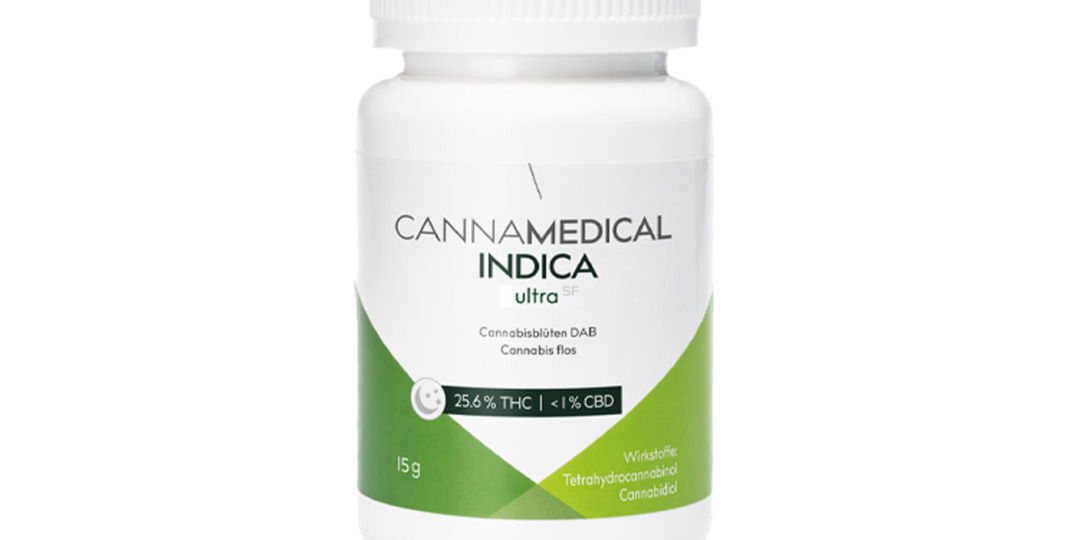
For clinicians seeking to understand the prescribing and formulary landscape in more detail, the Cannamedical Britannia clinical hub provides product documentation, EU-GMP certificates, and prescribing support resources.
Medically reviewed by the Cannamedical Britannia Clinical Team, May 2026. This article is intended for patient education and does not constitute individualised medical advice. Always consult a licensed specialist prescriber for guidance on your specific situation.