- Initial Consultation Costs
- Prescription and Product Costs Per Month
- Breakdown by Condition: What Typical Patients Pay
- Will Health Insurance Cover Medical Cannabis in the UK?
- Is There Any NHS Funding Available?
- How to Reduce Costs
- Comparing Costs to Alternatives
- Is It Worth the Cost? Patient Perspectives
- Frequently Asked Questions

Find a UK-based prescribing clinician for medical cannabis.
Reviewed and updated May 2026. All cost ranges reflect current UK private clinic pricing. This article does not constitute financial or medical advice.
Cost is one of the most common questions from patients considering medical cannabis in the UK. Unlike standard NHS prescriptions (flat charge: £9.90 per item), medical cannabis is almost entirely privately funded. The NHS does not commission cannabis-based treatments for most conditions, meaning patients must access them through private specialist clinics and pay out of pocket for both consultations and prescriptions.
This guide breaks down every cost involved: initial consultations, monthly prescriptions, product type differences, and how costs vary depending on your condition. We also examine whether health insurance can help, and practical ways to reduce what you pay.
Initial Consultation Costs
Your journey into medical cannabis begins with a specialist consultation. In the UK, only doctors on the GMC Specialist Register can prescribe unlicensed cannabis-based medicines. Initial consultations typically range from £100 to £250. Most clinics review your full medical history, assess eligibility, discuss previous failed treatments, and issue your first prescription if appropriate. Some require a GP referral letter; others are self-referral.
| Clinic Type | Initial Consultation | Format | Typical Wait |
|---|---|---|---|
| Online specialist clinic (e.g. Releaf, Alternaleaf) | £100 – £150 | Video call | 1 – 2 weeks |
| Hybrid clinic (online + in-person) | £150 – £200 | Video or in-person | 1 – 3 weeks |
| Private hospital / MDT clinic | £200 – £250 | In-person | 2 – 6 weeks |
| Follow-up / review appointments | £50 – £100 | Video or in-person | As needed |
Follow-up appointments are required for ongoing prescriptions, typically every one to three months. Factor these into your annual budget.
Prescription and Product Costs Per Month
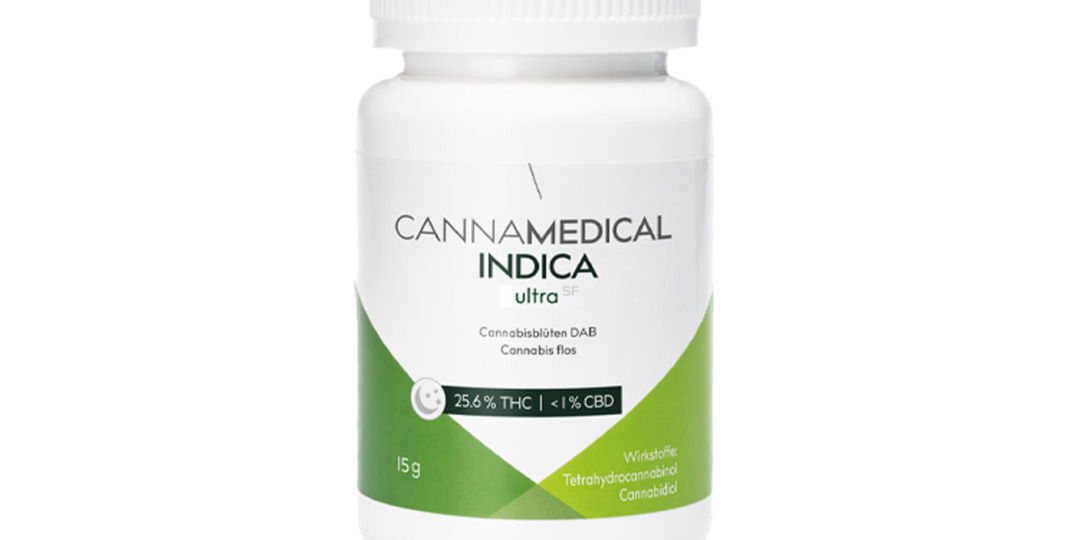
Once prescribed, monthly costs depend on product type, dose, and condition. Flower (dried herb for vaporisation) is the most commonly prescribed format. Oils suit patients preferring non-inhalation routes. Capsules offer precise dosing but carry a price premium.
| Product Type | Typical Monthly Cost | Notes |
|---|---|---|
| Flower (dried cannabis for vaporisation) | £150 – £400 | Cost depends on dose (g/day) and strain type |
| Oils / tinctures (CBD:THC ratio products) | £100 – £350 | Often used for anxiety, epilepsy, sleep |
| Capsules / gel caps | £120 – £300 | Precise dosing; typically higher cost per mg |
| Combination (flower + oil) | £200 – £500+ | Some patients are prescribed both formats |
Key factors: Dose (0.5g/day vs 1.5g/day makes a substantial difference); strain type (high-THC EU-GMP strains cost more); brand vs generic (unbranded cultivator products often cheaper); dispensing pharmacy (prices vary by 10 to 20 percent between licensed pharmacies).
Breakdown by Condition: What Typical Patients Pay
Condition type significantly affects what is prescribed and what you spend per month. These ranges are based on real-world UK patient data including Project TWENTY21 registry outcomes.
| Condition | Typical Monthly Prescription Cost | Most Common Product |
|---|---|---|
| Chronic pain (neuropathic, MSK, cancer-related) | £200 – £400 | Flower (THC-dominant or balanced) |
| Anxiety and PTSD | £150 – £300 | Balanced CBD:THC oil or flower |
| Sleep disorders | £120 – £250 | High-THC oil or flower (evening use) |
| Multiple sclerosis (spasticity) | £150 – £350 | Oil or Sativex (if NHS-eligible) |
| Inflammatory conditions (e.g. IBD, fibromyalgia) | £150 – £350 | CBD-dominant or balanced oil |
These figures represent ongoing monthly spend excluding consultation fees. Annual total, including two to four review appointments, typically falls between £2,000 and £6,000 per year.
Will Health Insurance Cover Medical Cannabis in the UK?
As of 2026, the vast majority of UK private health insurers do not cover medical cannabis prescriptions. Most cannabis-based medicines remain unlicensed in the UK (Sativex and Epidyolex are the exceptions), and many insurers exclude unlicensed medicines as a matter of policy. Aviva, Bupa, AXA Health and Vitality Health have all confirmed they do not routinely cover these prescriptions under standard policies. Some enhanced policies may cover specialist consultations, but prescription costs are almost universally excluded. Check your policy for: outpatient specialist consultation cover; specific exclusions for unlicensed medicines; and chronic condition management benefits.
Is There Any NHS Funding Available?
NHS funding for medical cannabis is extremely limited. Only two licensed products can be prescribed on the NHS: Sativex (nabiximols), licensed for MS spasticity where other treatments have failed (many eligible patients still face access barriers); and Epidyolex (cannabidiol), licensed for treatment-resistant childhood epilepsy (Dravet syndrome and Lennox-Gastaut syndrome).
For all other conditions, including chronic pain, anxiety, PTSD, sleep disorders, fibromyalgia and IBD, NHS funding is effectively unavailable. NICE evaluates treatments against approximately £20,000 to £30,000 per QALY. Cannabis-based medicines have not yet met this threshold for most conditions because the clinical trial evidence base, while growing, is not yet of the scale and design NICE requires. NICE Technology Appraisal TA609 covers nabilone (a synthetic cannabinoid) for chemotherapy-induced nausea, not plant-derived products. Most patients should plan for entirely private funding.
How to Reduce Costs
Medical cannabis costs in the UK are real and significant. Legitimate ways to manage them:
- Start at the minimum effective dose. Titration (starting low, increasing gradually) reduces risk and often means your effective dose is lower than anticipated.
- Compare dispensing pharmacies. Pharmarama, CannaPharma and Boots Specialty Pharmacy are among the most widely used; prices can vary by 10 to 20 percent for the same product. You are not obliged to use the pharmacy your clinic recommends.
- Ask about generic or unbranded alternatives. Your prescribing doctor may substitute a high-cost branded product with an equivalent from a less expensive EU-GMP cultivator.
- Optimise review appointment frequency. Once stable, some patients can reduce reviews from monthly to quarterly, saving £150 to £400 per year.
- Consider combination products carefully. Being prescribed both flower and oil doubles your prescription cost. Discuss whether a single product at an adjusted dose might meet your needs.
Comparing Costs to Alternatives
Medical cannabis costs look different when considered alongside other private healthcare options that patients with chronic conditions commonly access.
| Treatment / Option | Typical Cost | Notes |
|---|---|---|
| Private medical cannabis (monthly) | £150 – £400/month | Ongoing; includes product only |
| Private pain management clinic (per session) | £200 – £350/session | Often 6 to 12 sessions recommended |
| Private CBT or psychological therapy | £100 – £180/session | Typically 8 to 16 sessions for initial course |
| OTC CBD products (food supplement) | £40 – £150/month | Not medical grade; unregulated dosing |
| Private physiotherapy | £60 – £120/session | Typically 6 to 10 sessions per course |
For patients with chronic conditions who have already exhausted standard NHS treatments, the monthly cost of a medical cannabis prescription may be comparable to, or lower than, the accumulated cost of ongoing private therapy sessions, particularly where those therapies have not achieved adequate symptom control.
Is It Worth the Cost? Patient Perspectives
The clearest UK-based evidence on patient outcomes comes from Project TWENTY21, the largest real-world medical cannabis registry in the UK, run by Drug Science:
- 72% reported a clinically significant improvement in their primary condition
- Chronic pain, PTSD and anxiety showed the strongest response rates
- Health-related quality of life (EQ-5D and PROMIS tools) improved significantly across condition categories
- Side effects were generally mild and consistent with known cannabinoid pharmacology
These are real-world, not controlled trial, figures, and they represent a selected population. But they do reflect genuine patient experience in the UK healthcare context. For patients who have tried multiple conventional treatments without adequate relief, the question is not whether medical cannabis is worth it in the abstract, but what adequate symptom control is worth given their current quality of life. That is a personal calculation, and one that a growing number of UK patients are making in favour of medical cannabis.
If you are considering your options, our doctor finder can help you identify a prescribing specialist near you, and our step-by-step prescription guide walks you through the full process from first appointment to dispensed prescription.
Frequently Asked Questions
Why is medical cannabis not on the NHS for most conditions?
NICE evaluates treatments against cost-effectiveness thresholds (roughly £20,000 to £30,000 per QALY). Cannabis-based medicines have not yet met this threshold for most conditions because the clinical evidence base has not been assembled in the large-scale, randomised controlled trial format NICE requires. As more Phase III trial data becomes available and products receive UK marketing authorisation, this may change.
Can I get a medical cannabis prescription if I receive PIP or Universal Credit?
There is no means-tested access route for private medical cannabis prescriptions in the UK. PIP and Universal Credit do not subsidise private medical treatment. Some organisations, including the Medical Cannabis Clinicians Society (MCCS), have called for hardship funding schemes, but none are operational at scale. The Access Cannabis project and some clinics offer reduced-fee consultations on a case-by-case basis.
Is there a subscription model for medical cannabis in the UK?
Some UK clinics offer subscription or membership models bundling consultation fees with prescription management, typically £40 to £80 per month or quarter for ongoing care, with prescription costs billed separately. This can reduce the per-appointment cost for patients needing frequent reviews. Ask your clinic whether this is available.
What is the cheapest way to access medical cannabis in the UK?
The lowest-cost legitimate route is typically: (1) an online clinic with a self-referral pathway (initial consultation £100 to £130), (2) starting at the minimum effective dose, (3) dispensing via a pharmacy offering competitive pricing. Monthly ongoing costs at minimum effective doses can be as low as £120 to £150 per month for some patients. Explore our strain guide and UK patient guide for further detail.
Sources: NHS Prescription Charge (2026/27 rate: £9.90 per item); NICE Technology Appraisal TA609 (nabilone); Drug Science Project TWENTY21 interim outcomes data; Competition and Markets Authority (CMA) Private Healthcare Market Investigation Final Report 2023. All cost ranges are indicative and based on UK market data as of May 2026.