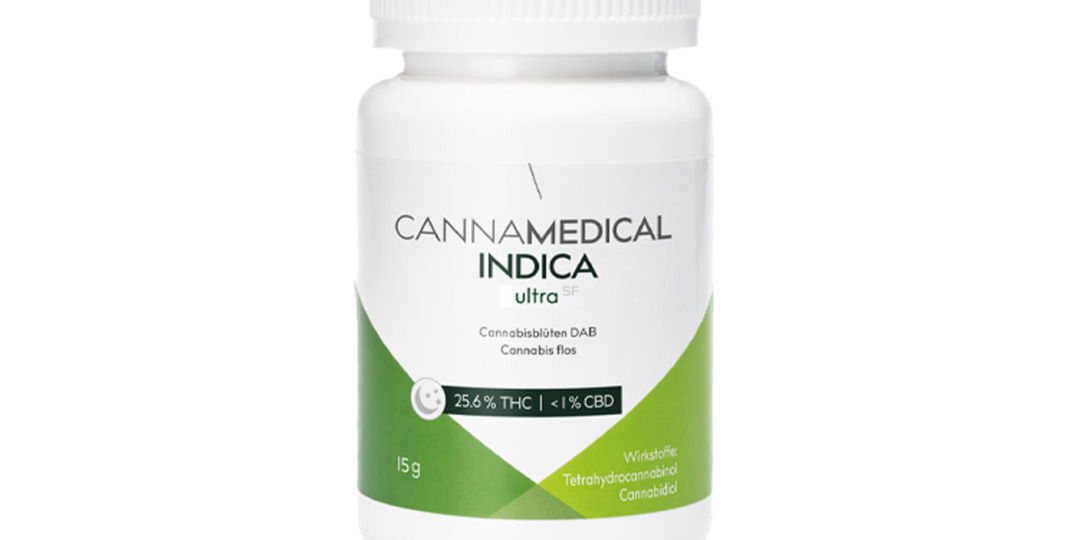
Find a UK-based prescribing clinician for medical cannabis.
Types of Pain in Cancer Treatment
- Chemotherapy-induced peripheral neuropathy (CIPN) causes burning, tingling, and shooting pain in the hands and feet of up to 80% of patients on certain regimens
- Mucositis causes severe oral and gastrointestinal pain during chemotherapy and radiotherapy, particularly in head and neck cancers
- Bone pain from metastatic disease and treatment-related osteonecrosis represents another major pain challenge in oncology
- Procedure-related pain from repeated cannulation, lumbar punctures, and biopsies is a significant source of suffering, particularly in paediatric cancer
Chemotherapy-related pain encompasses a broad spectrum of conditions, from acute procedure-related discomfort to chronic neuropathic damage that persists long after treatment ends.
Cannabinoids and Chemotherapy-Induced Neuropathy
- CIPN is characterised by damage to peripheral sensory nerves; cannabinoids modulate pain transmission at both peripheral and spinal cord levels
- Preclinical studies show that CBD prevents and reverses CIPN caused by paclitaxel and cisplatin in animal models
- A small RCT of vaporised cannabis in CIPN patients demonstrated significant reductions in pain scores compared to placebo
- The neuroprotective properties of CBD may offer particular value in preventing CIPN if initiated prophylactically during chemotherapy
Chemotherapy-induced peripheral neuropathy is among the most treatment-resistant pain syndromes in oncology, making cannabinoids a compelling option given both their analgesic and potential neuroprotective properties.
Getting Cannabis Prescribed for Cancer Pain in the UK
- Palliative care consultants and specialist pain physicians are the most common prescribers of cannabis for cancer pain in the UK
- NHS Individual Funding Requests can be submitted for cannabis-based medicines in exceptional cases where conventional analgesia is inadequate
- Several NHS trusts in England and Wales have developed pathways for cannabis prescribing in cancer pain through their palliative care teams
- Documentation of failed opioid, gabapentinoid, or antidepressant trials for neuropathic pain strengthens the clinical case for cannabis
Cancer patients with refractory pain should not assume that cannabis is inaccessible through NHS channels; proactive discussion with palliative care teams frequently opens pathways that patients and oncologists are unaware of.
Combining Cannabis with Oncological Care
- Cannabis does not interfere with the mechanism of action of most chemotherapy agents, though pharmacokinetic interactions are possible
- CYP450 enzyme inhibition by CBD can theoretically affect the metabolism of certain chemotherapy drugs including cyclophosphamide
- The oncologist should always be informed of cannabis use to enable appropriate monitoring and dose adjustment of other medications
- Cannabis is a complementary, not alternative, treatment; it should be used alongside standard oncological care, not instead of it
Integrating medical cannabis safely into cancer treatment requires communication between the patient, oncologist, palliative care team, and cannabis prescriber, but when done well, it can significantly improve the treatment experience.