Find a UK-based prescribing clinician for medical cannabis.
Nausea as a Major Cancer Symptom
- Nausea and vomiting affect over 70% of cancer patients, arising from both the disease itself and its treatments
- Anticipatory nausea — triggered by the context of chemotherapy before treatment begins — is particularly resistant to standard antiemetics
- Opioid-induced nausea complicates pain management and frequently leads to under-treatment of cancer pain
- Quality of life studies consistently rank nausea among the most distressing symptoms reported by cancer patients
Nausea remains one of the most debilitating and undertreated symptoms in oncology, and medical cannabis has a well-established mechanistic and clinical basis for addressing it.
The Evidence for Cannabis Antiemetics
- THC-based medicines including nabilone (Cesamet) have been licensed for chemotherapy-induced nausea in the UK for several decades
- A 2016 Cochrane review of 23 trials concluded that cannabis-based medicines were more effective than placebo and comparable to standard antiemetics
- THC activates CB1 receptors in the vomiting centre of the brainstem and in vagal afferent pathways, suppressing nausea signals
- The combination of THC and CBD may offer superior antiemetic efficacy than either cannabinoid alone
The antiemetic evidence base for cannabis is one of the most mature in the field, with licensed products and multiple controlled trials supporting its use in chemotherapy-related nausea.
UK Access for Cancer Patients
- Nabilone (Cesamet) can be prescribed via the NHS for chemotherapy-induced nausea and vomiting when standard antiemetics fail
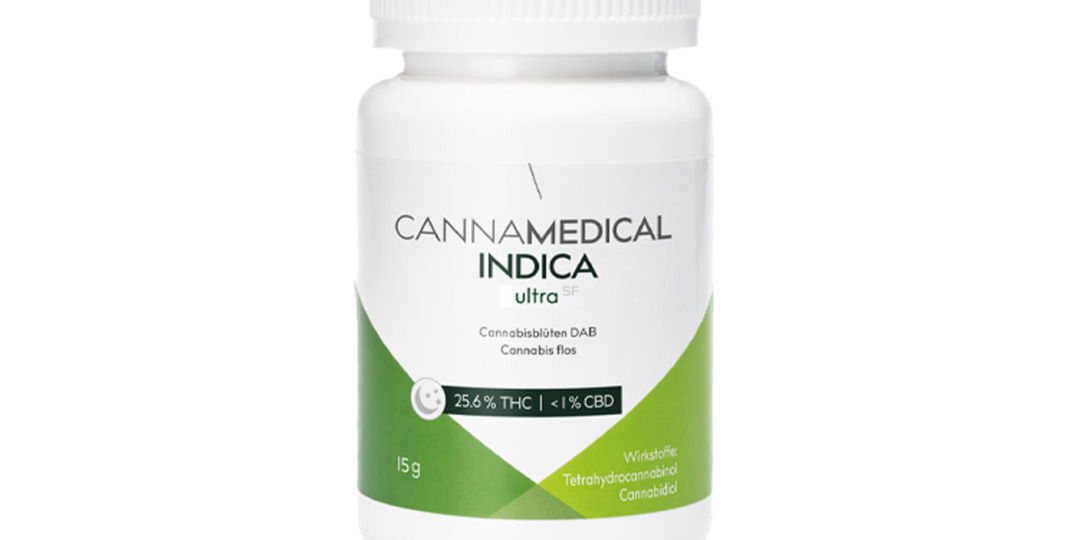
- Whole-plant cannabis products (oils, flower) can be prescribed by specialist oncologists or palliative care physicians under Schedule 2
- Many NHS oncology centres are now more open to cannabis referrals following updated NICE guidance on chronic and cancer pain
- Patients can access cannabis through specialist prescribing clinics if NHS referral is declined, though costs range from £150-£400 per month
Cancer patients experiencing nausea that is inadequately controlled by standard antiemetics should ask their oncologist or palliative care team about cannabis-based options, as multiple pathways to access now exist.
Administration and Practical Tips
- Oral cannabis products are often impractical during active nausea; sublingual oils or vaporised flower may be more suitable during acute episodes
- Timing the dose 30-60 minutes before chemotherapy can help prevent anticipatory nausea
- Patients on immunosuppressive oncological treatment should discuss infection risk with their team before vaporising cannabis flower
- A symptom diary tracking nausea severity, cannabis dose, and timing helps prescribers optimise the regimen
Medical cannabis for cancer-related nausea is not a fringe therapy but a well-evidenced option with licensed products already available in the UK; patients and oncologists should not hesitate to explore it.