Find a UK-based prescribing clinician for medical cannabis.
What Is a Certificate of Analysis?
- A Certificate of Analysis (COA) is a document issued by an accredited laboratory confirming the composition of a cannabis product
- EU-GMP compliant cannabis companies are required to have COAs for every batch of product they supply to the medical market
- A full COA covers cannabinoid content, terpene profile, residual solvent testing, heavy metal analysis, microbial contamination, and pesticide screening
- COAs should be verifiable by batch number on the manufacturer’s or laboratory’s website to confirm they have not been falsified or recycled
The Certificate of Analysis is your most important quality assurance document as a medical cannabis patient, and learning to read one empowers you to make informed decisions about what you are putting into your body.
Reading the Cannabinoid Panel
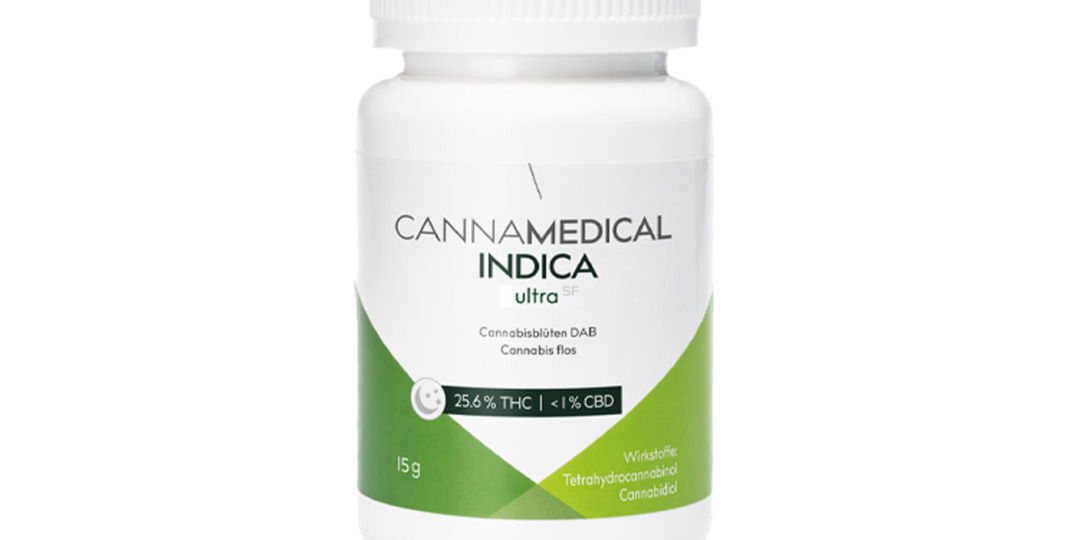
- The cannabinoid panel lists the concentration of major and minor cannabinoids, typically expressed as a percentage by weight (% w/w) or mg/g
- THC content may be listed as both delta-9-THC and THCA (the acid precursor); total THC is calculated as: THC + (THCA × 0.877)
- For dried flower, the percentage shown is the concentration before decarboxylation; vaporising converts THCA to THC, so the effective dose is based on total THC
- CBD, CBDA, CBG, CBGA, CBC, and CBN may also be listed; these contribute to the entourage effect and are worth noting when comparing products
Understanding the difference between THCA and THC, and knowing how to calculate total cannabinoid content, is essential for comparing products and calculating accurate doses from a COA.
Understanding Terpene and Contaminant Testing
- The terpene panel lists individual terpenes in descending order of concentration; the dominant terpene significantly influences the product’s effect profile
- Residual solvent testing confirms that extraction solvents (butane, ethanol, propane) are below safe limits set by pharmacopoeial standards
- Heavy metal screening tests for lead, arsenic, mercury, and cadmium, which cannabis can accumulate from contaminated soil
- Microbial testing confirms the absence of pathogens including Salmonella, E. coli, and Aspergillus moulds that pose risk to immunocompromised patients
Contaminant testing is not optional but mandatory for prescription-grade cannabis; patients should always verify that the COA for their product includes a full contamination panel, not just cannabinoid content.
Common Red Flags in COAs
- A COA without a verifiable batch number linked to the manufacturer’s database cannot be authenticated and should be treated with caution
- Testing conducted only by in-house laboratory teams rather than accredited independent third parties is insufficient for medical-grade products
- A COA showing only cannabinoids and no contaminant testing is inadequate for patients with immune vulnerabilities
- Dates older than twelve months may not reflect the current batch; cannabinoids and terpenes degrade over time and fresh COAs should accompany each batch
A COA from an accredited independent laboratory, linked to a specific batch, covering the full spectrum of tests, and less than twelve months old is the minimum standard patients should demand from their cannabis supplier.