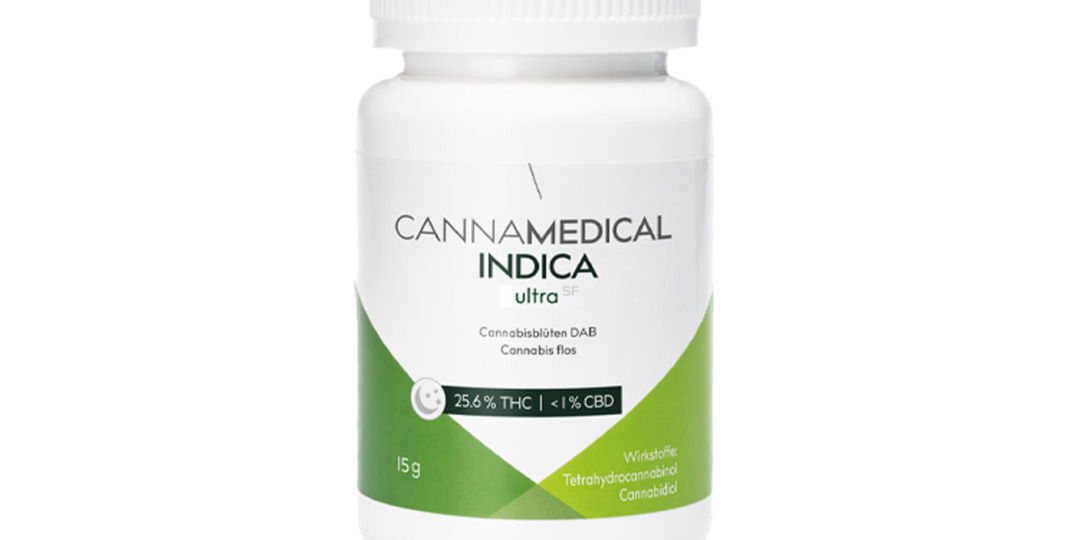
Find a UK-based prescribing clinician for medical cannabis.
Understanding Crohn’s Disease and Its Impact on Daily Life
- Crohn’s disease is a chronic inflammatory bowel disease (IBD) affecting around 115,000 people in the UK
- It can affect any part of the gastrointestinal tract, causing inflammation, ulceration, and strictures
- Symptoms include severe abdominal pain, diarrhoea, fatigue, weight loss, and malnutrition
- Flare-ups are unpredictable and can be severely debilitating
- Standard treatments range from aminosalicylates and corticosteroids to biologics and surgery
Crohn’s disease significantly impairs quality of life. Many patients cycle through multiple medications before finding adequate control, and some require surgical resection of affected bowel segments. The search for additional management tools has led many patients and clinicians to explore the role of the endocannabinoid system in gut inflammation.
The Endocannabinoid System and Gut Inflammation
- CB1 and CB2 receptors are densely expressed throughout the gastrointestinal tract
- Endocannabinoids regulate gut motility, secretion, and visceral pain signalling
- Cannabis may reduce intestinal permeability and modulate the gut immune response
- THC has demonstrated anti-inflammatory effects on intestinal tissue in preclinical models
- CBD may reduce intestinal spasm and dampen inflammatory cytokine production
Several small clinical trials have investigated cannabis in Crohn’s disease. A landmark Israeli study found that cannabis inhalation produced significant clinical improvement in patients with treatment-resistant Crohn’s. Larger randomised controlled trials are underway, but the existing evidence base — combined with patient-reported outcomes — has encouraged UK prescribers to consider cannabis for refractory cases.
Prescribing Cannabis for Inflammatory Bowel Disease in the UK
- Cannabis is most commonly considered when standard Crohn’s treatments have failed to provide adequate relief
- Clinicians assess pain severity, stool frequency, fatigue levels, and quality-of-life scores
- Oil-based preparations (sublingual) are often preferred for GI conditions due to consistent absorption
- Dried flower via vaporisation may also be prescribed for faster symptom relief during flares
- Close monitoring of weight, nutritional status, and disease markers is essential
Accessing medical cannabis for Crohn’s disease in the UK requires a referral or self-referral to a licensed prescribing clinic. The clinician will need to review your full IBD history, including endoscopy results and treatment records. Cannabis is prescribed alongside, not instead of, your gastroenterologist’s recommended treatment plan.
Patient Outcomes and Quality of Life
- Patients commonly report reductions in abdominal pain and cramping frequency
- Improved sleep and appetite are frequently noted secondary benefits
- Some patients report a reduction in corticosteroid usage when cannabis is added to their regimen
- Nausea — a common side effect of Crohn’s medications — may also be alleviated
- Cannabis does not replace biologics or immunosuppressants for moderate-to-severe disease
For patients living with treatment-resistant Crohn’s disease, medical cannabis offers a potential adjunct therapy that addresses both pain and quality-of-life dimensions. The most consistent benefits reported relate to pain reduction, sleep improvement, and reduced nausea. As with all medical cannabis prescribing, a monitored, patient-centred approach is essential.