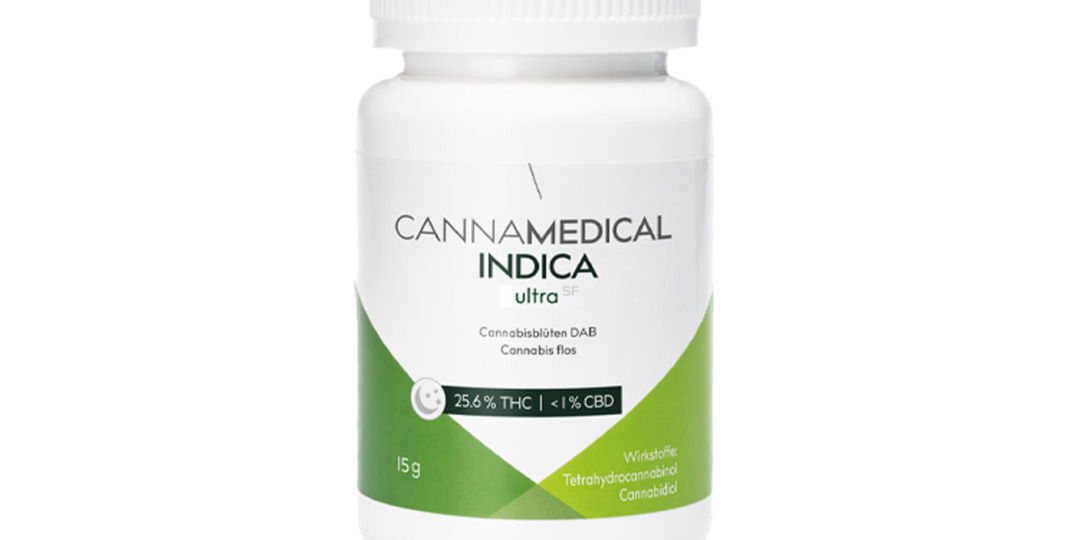
- What Are CBD and THC? The Basic Science
- How CBD and THC Work in the Body — Different Receptor Mechanisms
- Medical Uses of THC: What the Evidence Supports
- Medical Uses of CBD: Epilepsy, Anxiety, Inflammation
- The Entourage Effect: Why Whole-Plant Preparations Often Outperform Isolates
- Legal Status in the UK: CBD Supplements vs Prescribed THC Medicines
- CBD vs THC: Side-by-Side Clinical Comparison
- Which Is Right for You? A Condition-by-Condition Guide
- Psychoactive Effects and Tolerability — The Clinical Reality
- Key Sources and Clinical References

Find a UK-based prescribing clinician for medical cannabis.
Most patients referred into the UK’s medical cannabis system arrive with the same fundamental confusion: they do not understand the difference between CBD and THC, and their clinician often lacks the time to explain it thoroughly. This guide exists to close that gap. Drawing on pharmacological research, MHRA guidance, and NICE technology appraisals, we explain — in plain English — exactly what these two cannabinoids are, how they act in the human body, what the clinical evidence supports, and how UK patients can access them legally.
What Are CBD and THC? The Basic Science
Cannabis contains more than 140 identified cannabinoids, but two dominate clinical discussion: cannabidiol (CBD) and delta-9-tetrahydrocannabinol (THC). Both are phytocannabinoids — molecules produced by the cannabis plant — and both interact with the body’s endocannabinoid system (ECS). Beyond that, they diverge sharply in chemistry, pharmacology, and legal status.
THC was isolated and synthesised by Raphael Mechoulam and Yechiel Gaoni in 1964 at the Hebrew University of Jerusalem, a discovery that launched modern cannabinoid pharmacology. CBD was identified earlier, in 1940, by Roger Adams at the University of Illinois, though its clinical significance was not appreciated for decades. The two molecules share the same molecular formula (C21H30O2) but differ in atomic arrangement — a structural distinction with profound physiological consequences.
The endocannabinoid system, first described in the early 1990s following the identification of CB1 receptors by Allyn Howlett and William Devane, is now understood to regulate a remarkable breadth of physiological processes: pain perception, appetite, mood, memory consolidation, immune modulation, and sleep architecture. The ECS comprises two primary receptor types (CB1 and CB2), endogenous ligands (anandamide and 2-AG), and metabolic enzymes (FAAH and MAGL). Both THC and CBD engage this system — but through fundamentally different mechanisms.
How CBD and THC Work in the Body — Different Receptor Mechanisms
THC acts as a partial agonist at CB1 and CB2 receptors. CB1 receptors are densely expressed in the central nervous system — particularly in the basal ganglia, cerebellum, hippocampus, and prefrontal cortex — which explains THC’s characteristic psychoactive effects: euphoria, altered time perception, impaired short-term memory, and, at higher doses, anxiety or paranoia. CB1 activation in the spinal cord and periaqueductal grey underlies THC’s analgesic properties. CB2 receptors, found primarily on immune cells, mediate anti-inflammatory effects.
CBD’s mechanism is considerably more complex. CBD has low affinity for CB1 and CB2 receptors and does not produce psychoactive effects via these pathways. Instead, it acts as a negative allosteric modulator of CB1 — meaning it can dampen THC’s psychoactivity when both molecules are present simultaneously. Beyond the ECS, CBD engages a broader receptor landscape: it acts as an agonist at TRPV1 (pain and inflammation), modulates serotonin 5-HT1A receptors (anxiety and nausea), inhibits GPR55, and indirectly elevates endocannabinoid tone by inhibiting FAAH — the enzyme that breaks down anandamide.
Professor Roger Pertwee of the University of Aberdeen has described CBD as a pharmacological multitarget — a molecule that resists reduction to any single mechanism. This complexity makes CBD simultaneously fascinating and difficult to evaluate in conventional clinical trial frameworks.
Medical Uses of THC: What the Evidence Supports
THC-containing cannabis-based medicinal products (CBMPs) are available on prescription in the UK, classified as Schedule 2 controlled drugs since November 2018 following NHS England’s policy change. The clinical evidence base is strongest in the following areas:
Chronic pain: The largest single indication for medical cannabis prescribing in the UK. A 2018 systematic review in the Journal of the American Medical Association found cannabinoids produced a mean reduction of 0.46 on a 10-point pain scale versus placebo — modest but clinically meaningful for patients who have exhausted other options. THC-dominant preparations are typically prescribed for neuropathic pain, cancer-related pain, and pain associated with multiple sclerosis.
Multiple sclerosis spasticity: Nabiximols (Sativex), a 1:1 THC:CBD oromucosal spray, holds a UK marketing authorisation specifically for MS-related spasticity in adults who have not responded adequately to other antispasmodic therapies. This is the only cannabis-based product with a full MHRA licence for this indication. Phase III trial data demonstrated a statistically significant reduction in patient-reported spasticity scores.
Chemotherapy-induced nausea and vomiting (CINV): Nabilone (Cesamet), a synthetic THC analogue, is licensed in the UK for CINV refractory to conventional antiemetics. Evidence from randomised controlled trials consistently demonstrates superiority over placebo and comparability with conventional antiemetics such as prochlorperazine.
Appetite stimulation in cachexia: THC’s appetite-stimulating properties (mediated via hypothalamic CB1 activation) have been exploited in HIV/AIDS-associated wasting and cancer cachexia, though the evidence base is less robust than for pain and spasticity.
PTSD and sleep disorders: Emerging evidence — predominantly observational — supports THC-containing preparations for PTSD-associated nightmares and sleep disturbance. THC’s reduction of REM sleep appears to diminish nightmare frequency. This is an active area of UK prescribing and ongoing research.
Medical Uses of CBD: Epilepsy, Anxiety, Inflammation
Epilepsy: Epidyolex (pharmaceutical-grade CBD oral solution, 100mg/ml) received MHRA marketing authorisation in 2019 for seizures associated with Dravet syndrome and Lennox-Gastaut syndrome in patients two years and older — the first cannabis-derived medicine to receive a full MHRA licence. The pivotal GWPCARE trials demonstrated seizure frequency reductions of approximately 40% versus placebo in Dravet syndrome patients, with a responder rate of around 43%. Epidyolex is now endorsed by NICE (TA614).
Anxiety: Bergamaschi et al. (2011, Neuropsychopharmacology) demonstrated that CBD 600mg significantly attenuated anxiety induced by a simulated public speaking task in patients with social anxiety disorder. Neuroimaging data show CBD modulates activity in the amygdala and anterior cingulate cortex. Shannon et al. (2019, The Permanente Journal) found anxiety scores improved in 79% of patients within the first month of CBD use. Large-scale RCT data remain limited, and CBD is not currently NICE-endorsed for any anxiety indication.
Inflammation: CBD’s anti-inflammatory properties are principally mediated via adenosine receptor potentiation, TRPV1 modulation, and inhibition of pro-inflammatory cytokine production. Human trial data for conditions such as rheumatoid arthritis and inflammatory bowel disease are accumulating but do not yet support prescribing guidelines.
Psychosis: McGuire et al. (American Journal of Psychiatry, 2018) demonstrated CBD 1000mg/day produced significant improvements in positive psychotic symptoms versus placebo in treatment-resistant schizophrenia. Research at King’s College London continues to explore CBD as an adjunct in early psychosis — an emerging area of considerable clinical interest.
The Entourage Effect: Why Whole-Plant Preparations Often Outperform Isolates
The entourage effect — first articulated by Raphael Mechoulam and Shimon Ben-Shabat in 1998 — proposes that cannabis’s therapeutic effects emerge from synergistic interactions between cannabinoids, terpenes, and flavonoids. A full-spectrum preparation containing CBD and THC alongside minor cannabinoids (CBG, CBC, CBN) and terpenes (myrcene, linalool, beta-caryophyllene) may outperform an equivalent dose of isolated CBD or THC for certain indications.
Russo (2019, Frontiers in Plant Science) noted that beta-caryophyllene — which binds CB2 receptors directly — may enhance CBD’s anti-inflammatory effects, while linalool may potentiate anxiolytic properties. UK specialist prescribers increasingly favour full-spectrum flower preparations over isolates for pain and PTSD indications. Pharmaceutical CBD isolate remains appropriate for epilepsy where precise dosing is essential.
Legal Status in the UK: CBD Supplements vs Prescribed THC Medicines
CBD supplements (over-the-counter): The Food Standards Agency treats CBD food products as novel foods under retained EU law, requiring authorisation before sale and confirmed THC content below 1mg per product. CBD food supplements may not make medical claims — any product claiming to treat a disease commits an unlicensed medical claim offence under the Human Medicines Regulations 2012.
Prescribed CBMPs: Following the November 2018 rescheduling from Schedule 1 to Schedule 2 of the Misuse of Drugs Regulations 2001, specialist physicians can legally prescribe CBMPs. Only specialist consultants may initiate prescriptions; GPs are excluded except for Epidyolex and Sativex where NICE guidance exists. Prescriptions are filled at licensed dispensing pharmacies — more than 1,100 registered across the UK.
THC legal position: THC above 1mg per product remains a controlled substance. Importing, possessing, or supplying THC outside the licensed medical framework constitutes a criminal offence. Patients are strongly advised against sourcing CBMPs outside the regulated supply chain.
CBD vs THC: Side-by-Side Clinical Comparison
| Property | CBD (Cannabidiol) | THC (Delta-9-THC) |
|---|---|---|
| Primary receptor action | Negative allosteric modulator CB1; agonist TRPV1, 5-HT1A; FAAH inhibitor | Partial agonist CB1 and CB2 receptors |
| Psychoactivity | None — does not produce intoxication | Yes — euphoria, altered cognition, potential anxiety at high doses |
| Primary medical uses | Dravet/LGS epilepsy (MHRA licensed); anxiety, inflammation, psychosis (research stage) | Chronic pain, MS spasticity (Sativex licensed), CINV (Nabilone licensed), PTSD |
| UK legal status (OTC) | Legal as novel food supplement (below 1mg THC per product) | Controlled substance (Schedule 2); illegal without prescription |
| UK prescription required | Yes for Epidyolex; not for supplements | Yes — specialist consultant only |
| Licensed UK products | Epidyolex (GW Pharmaceuticals/Jazz Pharma) | Sativex (1:1 with CBD), Nabilone (Cesamet) |
| Failed drugs test risk | Risk if product contains undisclosed THC | Yes — detectable up to 30 days in urine |
| Modulates the other | Reduces THC-induced anxiety and psychoactivity | May enhance CBD bioavailability via first-pass interaction |
Which Is Right for You? A Condition-by-Condition Guide
Optimal cannabinoid profile varies by condition, severity, individual pharmacogenomics (particularly CYP2C9 and CYP3A4 variants that affect cannabinoid metabolism), and personal tolerance of psychoactive effects. The following table provides evidence-informed guidance; it cannot substitute for individualised clinical assessment by a specialist.
| Condition | Recommended Profile | Evidence Level | Notes |
|---|---|---|---|
| Dravet / Lennox-Gastaut epilepsy | CBD-dominant (Epidyolex) | High — MHRA licensed, NICE approved | Pharmaceutical-grade CBD isolate; precise dosing essential |
| MS-related spasticity | Balanced THC:CBD (Sativex) | High — MHRA licensed | Oromucosal spray; specialist prescription required |
| Chemotherapy-induced nausea | THC-dominant (Nabilone) | High — MHRA licensed | Synthetic THC; available via oncology teams |
| Chronic neuropathic pain | THC-dominant or balanced | Moderate — specialist consensus | Individualise based on psychoactive tolerance |
| Cancer-related pain | Balanced or THC-dominant | Moderate | Consider entourage effect; flower or full-spectrum oil |
| PTSD / sleep disorders | THC-dominant (evening use) | Low-moderate — emerging evidence | THC reduces REM; monitor for dependence with long-term use |
| Anxiety disorders | CBD-dominant | Low-moderate — RCT data limited | THC contraindicated in anxiety-prone patients |
| Inflammatory conditions | CBD-dominant or balanced | Low — predominantly preclinical | Adjunctive only at present; monitor for drug interactions |
| Psychosis / schizophrenia | CBD-dominant (high dose) | Low-moderate — Phase 2 trial positive | THC absolutely contraindicated; psychiatry referral essential |
For UK patients seeking a prescriber, our Find a Doctor tool lists specialist cannabis clinics and consultant physicians across England, Scotland, and Wales. Our Medical Cannabis UK Guide provides essential context for a first clinical conversation. For strain-specific information see our Strain Library and the High-CBD Strains UK Guide.
Psychoactive Effects and Tolerability — The Clinical Reality
THC’s psychoactivity is simultaneously its most discussed feature and the one most frequently misunderstood. For many patients managing chronic pain, a degree of psychoactive effect is therapeutically beneficial: mood elevation, reduced pain catastrophising, and improved sleep architecture are clinical outcomes, not adverse effects to be minimised in isolation. The challenge is titration: finding the dose at which analgesic benefit is maximised while cognitive impairment and anxiety remain within the patient’s acceptable range.
UK prescribing practice favours a start low, go slow titration protocol — typically beginning at 5mg THC equivalent per day and increasing by 5mg increments at weekly intervals until therapeutic response or dose-limiting side effects. Flower vaporisation allows for rapid titration and more predictable pharmacokinetics than oral preparations, where first-pass metabolism produces the more potent 11-OH-THC metabolite and onset is delayed by up to two hours.
The WHO ECDD 2018 Critical Review concluded that CBD exhibits no potential for abuse or dependence, no psychoactive properties, and is generally well tolerated. Common adverse effects at therapeutic doses include diarrhoea, somnolence, and transaminase elevation — requiring liver function monitoring when Epidyolex is co-administered with valproate.
Both CBD and THC are substrates of CYP3A4; CBD is additionally a potent inhibitor of CYP2C19. Clinically significant interactions include CBD inhibition of clobazam metabolism, THC potentiation of CNS depressants, and both cannabinoids potentiating anticoagulant effects of warfarin. Any patient taking regular medications should have their CBMP prescription reviewed against their full medication list before initiation.
Driving: UK drug driving law (Road Traffic Act 1988, Section 5A) sets a blood-THC limit of 2 micrograms per litre. Medical cannabis patients are not exempt. Patients prescribed THC-containing CBMPs must not drive if impaired and should carry their prescription — roadside tests cannot distinguish between prescribed and illicit use.
Key Sources and Clinical References
- WHO Expert Committee on Drug Dependence (ECDD) — Critical Review of Cannabidiol (CBD), 2018.
- MHRA — Cannabis-based Products for Medicinal Use guidance, updated 2023.
- NICE Technology Appraisal TA614 — Cannabidiol (Epidyolex) for Lennox-Gastaut or Dravet syndrome, January 2020.
- Pertwee RG — Handbook of Experimental Pharmacology: Cannabinoids, 2005.
- Russo EB — The Case for the Entourage Effect. Frontiers in Plant Science, 2019.
- McGuire P et al. — Cannabidiol as an Adjunctive Therapy in Schizophrenia. American Journal of Psychiatry, 2018.
- NHS England — Commissioning Framework for Cannabis-Based Products for Medicinal Use, 2019.
- Project Twenty21 (Drug Science) — UK largest medical cannabis registry; real-world evidence from 5,000+ patients across 20+ conditions.
Medically reviewed by the Cannamedical Britannia Clinical Team, May 2026. This article is for informational purposes only and does not constitute medical advice. Always consult a qualified specialist physician before initiating or modifying any cannabinoid therapy.