Find a UK-based prescribing clinician for medical cannabis.
How Each Formulation Works
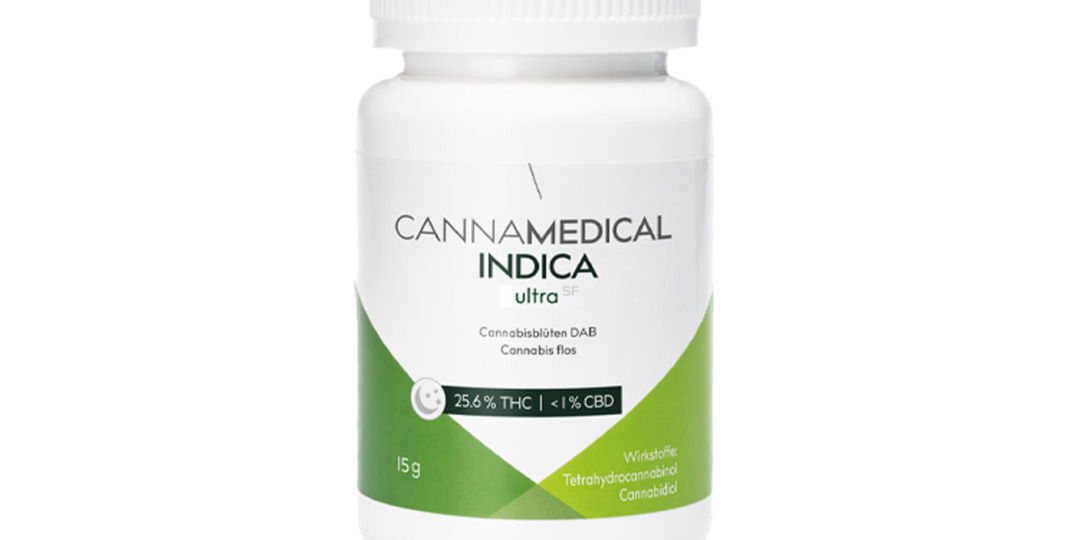
- Flower: vaporised at 170–220°C; cannabinoids are inhaled and absorbed via the lungs into the bloodstream
- Oil: administered sublingually or swallowed; absorbed via oral mucosa or gastrointestinal tract
- Inhalation provides faster onset (5–15 minutes) and shorter duration (two to four hours)
- Oral/sublingual delivery has a slower onset (15–90 minutes) but produces effects lasting four to eight hours
The right formulation depends on your treatment goals. Breakthrough pain or acute anxiety episodes suit the rapid onset of vaporised flower. Continuous background pain or sleep maintenance benefits from the sustained action of an oil.
Practical Differences
- Flower requires a dry herb vaporiser — an upfront cost of £100–£350 for a quality device
- Oils require no additional equipment beyond the provided pipette or syringe
- Flower use is more discreet than it appears — modern vaporisers are portable and largely odour-free
- Oils are completely odourless and can be taken anywhere without drawing attention
Discretion and convenience often drive patients towards oils for daytime use, with flower reserved for evening or breakthrough dosing. Many patients use both formulations under a single prescription.
Dosing Accuracy
- Oils offer highly precise dosing measured in milligrams — minimal variability between doses
- Flower dosing is expressed in grams per day; individual inhale volumes vary, introducing some natural variability
- For conditions requiring consistent blood levels (e.g. epilepsy management), oils are the preferred form
- Patients managing breakthrough symptoms benefit from the faster titration possible with inhalation
If your treatment requires tight dose control, your clinician is likely to favour oils. If flexibility and rapid response matter more, flower may be recommended — particularly for pain patients who need on-demand relief.
Cost Comparison
- Dried flower: approximately £5–£10 per gram at specialist pharmacies; typical prescriptions range from 10–30g per month
- Oils: typically £50–£150 per 10–30ml bottle; required volume depends on concentration and dosage
- A combined flower-and-oil prescription can cost more but offers the therapeutic benefits of both delivery routes
- Some patients find flower more cost-effective per mg of active cannabinoid despite the vaporiser hardware cost
There is no universally cheaper option — it depends on your dose and specific products. Your pharmacist can provide a per-dose cost breakdown for the products on your prescription.