Find a UK-based prescribing clinician for medical cannabis.
The Journey from Seed to Prescription
- Medical cannabis undergoes a rigorously controlled cultivation process before reaching patients
- EU-GMP (Good Manufacturing Practice) standards apply to all licensed medicinal cannabis in the UK
- The production chain encompasses: genetics selection, cultivation, harvesting, drying, processing, and quality testing
- Environmental control — lighting, temperature, humidity, CO2, nutrients — is precisely managed
- From seed to finished product typically takes 4–6 months including processing and testing
The medical cannabis reaching UK patients is a far cry from illicitly grown cannabis. Licensed cultivators operate under pharmaceutical manufacturing standards, with every step of the production process documented, verified, and audited. Understanding this journey helps patients appreciate why EU-GMP certified cannabis commands a premium — and why it is worth paying for.
Genetics and Strain Selection for Medical Use
- Medical cannabis cultivators start by selecting genetics optimised for consistent cannabinoid profiles
- Feminised seeds eliminate male plants, which do not produce cannabinoid-rich flowers
- Chemovars (chemical varieties) are classified by dominant cannabinoids: Type I (THC), Type II (mixed), Type III (CBD)
- Terpene profiles are selected alongside cannabinoid ratios to produce specific therapeutic effects
- Tissue culture propagation ensures genetic consistency across all plants in a batch
The starting genetics determine the entire therapeutic profile of the final product. Medical cannabis producers invest heavily in stable, reproducible seed lines and clonal propagation systems. A cultivar licensed for a specific indication — say, a high-CBD strain for anxiety — must produce the same cannabinoid and terpene profile batch after batch. This consistency is the pharmaceutical foundation that distinguishes medical cannabis from recreational product.
Controlled Environment Agriculture: The EU-GMP Grow Room
- Plants grow under precisely controlled LED or HPS lighting schedules (typically 18/6 hours for veg, 12/12 for flower)
- Temperature is maintained at 22–26°C during the day, with a controlled night-time drop
- Relative humidity is managed to prevent mould and optimise resin production (45–55% RH during flower)
- Nutrients are delivered in hydroponic or substrate-based systems with strict input documentation
- Integrated pest management (IPM) uses biological controls — no prohibited pesticides
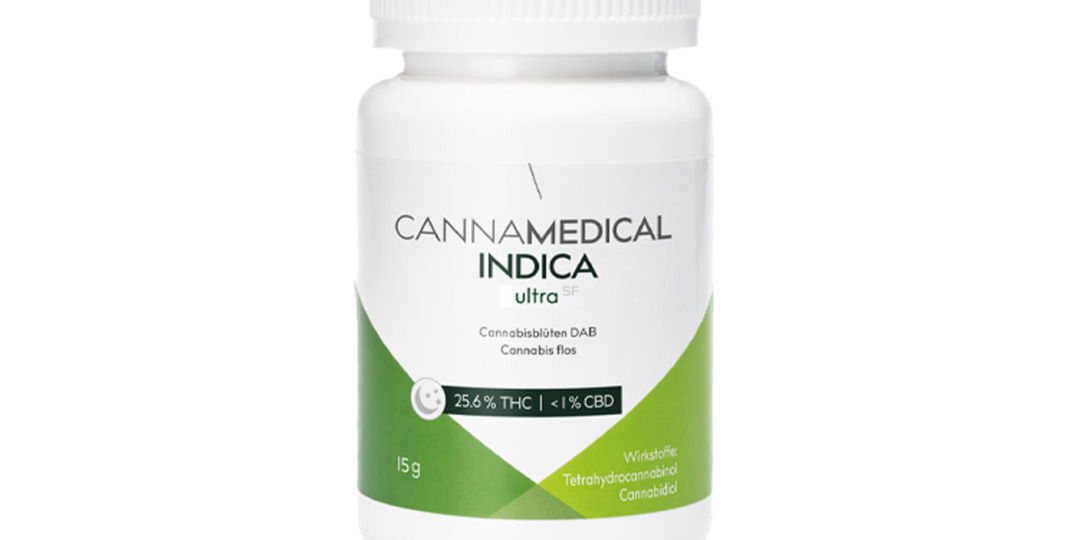
EU-GMP cultivation environments are sophisticated pharmaceutical manufacturing facilities. CCTV monitoring, strict access controls, water quality testing, and continuous environmental logging are all standard requirements. The goal is to eliminate variability — the enemy of pharmaceutical quality. When you receive a batch of EU-GMP certified cannabis from Cannamedical’s cultivator partners, you can trust that its cannabinoid content matches the certificate of analysis to within tight tolerances.
Harvesting, Drying, and Processing
- Harvest timing is determined by trichome maturity assessment under microscopy
- Buds are carefully hand-trimmed to remove excess leaf material and maximise flower quality
- Drying occurs in temperature- and humidity-controlled chambers — typically over 10–14 days
- Moisture content is measured to precise targets (typically 10–13%) for stability and vaporiser performance
- Irradiation (gamma or e-beam) is used to eliminate microbial contamination without affecting cannabinoids
Post-harvest processing is where many quality differences between producers emerge. Rapid, uniform drying preserves terpene profiles — slow or uneven drying destroys aromatic compounds and reduces therapeutic value. Irradiation, while sometimes misunderstood by patients, is a well-established pharmaceutical sterilisation technique that ensures product safety without the residues associated with chemical fungicides.