Find a UK-based prescribing clinician for medical cannabis.
Quality and Standardisation
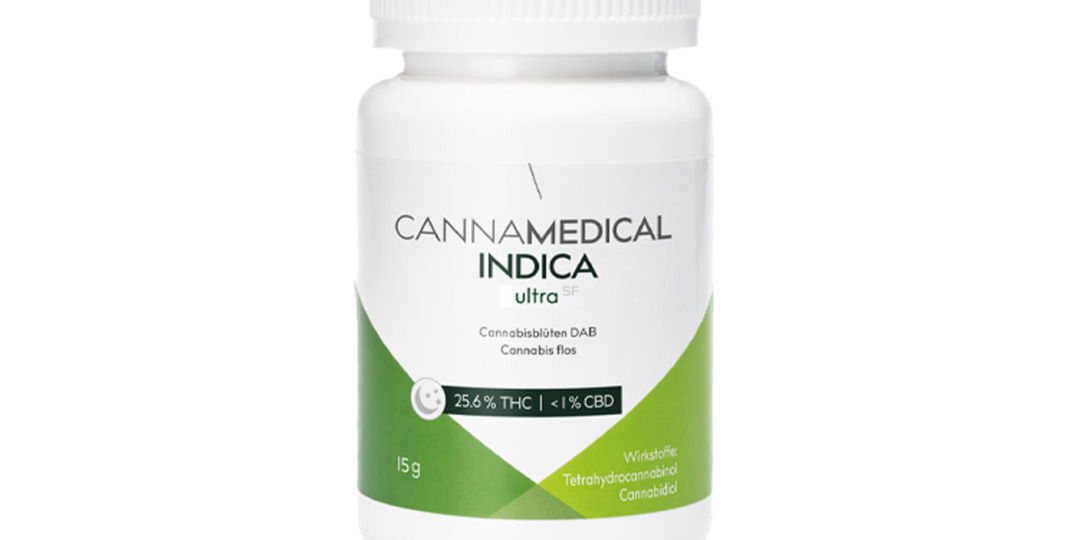
- Medical cannabis products carry a Certificate of Analysis (CoA) detailing exact cannabinoid percentages and contaminants
- Every batch is tested for pesticides, heavy metals, microbial contamination and residual solvents
- Recreational cannabis has no such testing — potency is unknown and contamination is a real risk
- EU-GMP certified cultivation and processing is the gold standard for pharmaceutical-grade cannabis
Standardisation is the single most important practical difference for patients. When you know exactly how much THC and CBD is in each dose, titration is safe and reproducible. With illicit cannabis, every gram is a variable.
Legal Status and Supply Chain
- Medical cannabis: Schedule 2 under UK law — can be legally prescribed and dispensed by licensed pharmacies
- Recreational cannabis: Class B, illegal to possess, supply or produce — criminal penalties apply
- Medical supply chains are audited and traceable from cultivation to patient
- Illicit supply chains involve unknown intermediaries, cutting agents and variable potency
The legal distinction is absolute. A patient in possession of a valid prescription and their prescribed medication is fully within the law. Possession of the same product without a prescription remains a criminal offence.
Dosing and Administration
- Medical products come with prescriber-guided starting doses and titration schedules
- Dried flower for medical use is prescribed in weighed quantities and intended for vaporisation — not smoking
- Oils and capsules provide precise, reproducible doses that are straightforward to record in a symptom diary
- Recreational use has no dosing framework — effects are unpredictable and overconsumption is common
Vaporisation is the recommended route for medical cannabis flower in the UK. It avoids the harmful combustion by-products associated with smoking while delivering a similar onset profile.
Clinical Oversight
- Every medical cannabis patient is reviewed by a specialist doctor on a recurring basis
- Patients can report side effects, adjust doses and switch products under clinical supervision
- Recreational users have no access to professional guidance — managing adverse effects alone can be distressing
- Medical prescribing creates a documented clinical record that integrates with broader healthcare
The presence of ongoing clinical oversight is what transforms a plant extract into a medicine. Patients benefit not only from the product but from the expertise and monitoring that surrounds its prescription.