- The 2018 Rescheduling: A Landmark That Changed Very Little at First
- The Prescribing Landscape: Clinics, Consultants and the Private Market
- The Pharmacy Network: Who Can Dispense?
- The Manufacturers and Cultivators: European Supply Chain
- The NHS and Private Divide: A Two-Tier System?
- Regulation: MHRA, ACMD, Home Office: Who Does What
- The Patient Advocacy Movement and What They Are Demanding
- What Is Next: NICE Reviews, Domestic Cultivation Licences, NHS Integration
- UK Medical Cannabis at a Glance

Find a UK-based prescribing clinician for medical cannabis.
Medically reviewed by the Cannamedical Britannia Clinical Team, May 2026
Seven years ago, the Home Secretary at the time declared that specialist doctors would be permitted to prescribe cannabis-based medicines. A decision hailed as a turning point in British drug policy. Yet in the years that followed, almost nothing changed for the hundreds of thousands of patients who might have benefited. The story of medical cannabis in the United Kingdom is, at its heart, a story about the gap between legal permission and practical access. It is a story of promising reform stalled by bureaucracy, of a two-tier system that rewards the wealthy and penalises those who cannot afford private fees, and of an industry that has, despite everything, quietly built itself from scratch.
The 2018 Rescheduling: A Landmark That Changed Very Little at First
On 1 November 2018, cannabis-based products for medicinal use (CBPMs) were rescheduled from Schedule 1 to Schedule 2 of the Misuse of Drugs Regulations 2001. In theory, this meant that any specialist doctor registered with the General Medical Council could now legally prescribe them. In practice, the change was rendered nearly meaningless within weeks.
NHS England issued guidance that effectively discouraged its consultants from prescribing, citing insufficient clinical evidence. The Advisory Council on the Misuse of Drugs (ACMD) had already flagged the lack of randomised controlled trial data. Medical Defence Union lawyers warned members that prescribing without such evidence could expose them to professional misconduct proceedings. The result: a law that existed on paper but went almost entirely unused in practice for the first two years after its passage.
The first legal prescriptions were issued not by the NHS, but by a small number of consultants working in private practice. The patients who benefited were, by definition, those who could afford to pay. Those who could not remained, as before, dependent on a criminal market that carried no quality controls and considerable personal risk.
The Prescribing Landscape: Clinics, Consultants and the Private Market
By 2025, the United Kingdom had accumulated an estimated 50,000 active medical cannabis prescriptions, the vast majority of them private. Conservative estimates from the Medical Cannabis Clinicians Society and the UK Medical Cannabis Industry Association (MCIC) suggest that between 1.4 and 1.8 million people in Britain live with conditions for which medical cannabis has demonstrated clinically meaningful effects, including chronic pain, treatment-resistant epilepsy, multiple sclerosis-related spasticity, PTSD, and anxiety disorders among them.
The clinic networks that have driven this growth are a mixed group. Sapphire Medical Clinics, founded in 2019, was among the first to operate at scale, building a roster of NHS-trained consultants willing to offer private CBPM prescriptions. Releaf, operating primarily online, has positioned itself as a high-volume, digitally-first provider. Alternaleaf, backed by Australian cannabis group Montu, entered the market aggressively in 2022 and 2023. Curaleaf Clinic, the UK arm of the American cannabis giant Curaleaf Holdings, operates both clinical and dispensing arms. Rokeby Medical offers a more traditionally clinical model, often handling complex cases that require more intensive consultant oversight.
Critics of the clinic model, including some within the medical profession, argue that the rapid expansion of private CBPM prescribing has created a market incentive that is not always well-aligned with patient welfare. In a 2024 report, the MHRA noted that the quality of prescriber oversight varied significantly across the sector, and that some patients were receiving repeat prescriptions with inadequate clinical review. The clinics reject this characterisation, pointing to their compliance with General Medical Council standards and their investment in patient monitoring systems.
What is not in dispute is the fundamental access problem. A standard initial consultation at a private cannabis clinic runs between 150 and 300 pounds. Ongoing prescription costs, covering the medicine itself, specialist dispensary fees, and follow-up consultations, frequently total between 200 and 600 pounds per month, depending on the product prescribed and the patient condition. For someone managing chronic pain on a state pension or a carer allowance, these figures are simply prohibitive.
See also: NHS vs Private Medical Cannabis in the UK: What Patients Need to Know
The Pharmacy Network: Who Can Dispense?
The dispensing side of the industry has developed more slowly than the prescribing side, and remains one of the most significant logistical bottlenecks in the system. Standard community pharmacies are not equipped to dispense Schedule 2 cannabis-based medicines. The cold-chain storage requirements, controlled drug accounting obligations, and specialist staff training needed to handle CBPMs correctly mean that most community pharmacies have not sought the necessary licences.
A network of specialist dispensaries has emerged to fill the gap. Pharmarama, one of the earliest, operates a mail-order dispensing model that has become the dominant mode of delivery for patients. CannaPharma has positioned itself as a high-quality specialist, working closely with clinic networks and manufacturers to ensure product consistency. Boots Specialty, the specialist arm of the Boots chain, has expanded its CBPM dispensing capacity, though its geographic reach remains limited to certain regions.
The import logistics underpinning this system are, by any measure, extraordinary. More than 90 per cent of cannabis-based medicines dispensed in the United Kingdom continue to be imported, primarily from the Netherlands, Germany, Portugal, and Canada. Domestic cultivation has been legal since 2018 for licensed producers, but the route to bringing domestically-grown product to market remains deeply complex. Applicants for a Home Office cultivation licence face a process that, according to industry insiders, routinely takes 18 to 36 months and requires substantial capital investment before a single gram can be sold legally.
For pharmacies, the practical challenges of dispensing CBPMs include managing the short shelf lives of some products, handling the paperwork associated with controlled drug registers, and liaising with an ever-growing number of clinic networks whose prescription formats and product preferences are not always consistent.
Learn more: Resources for Pharmacies: Handling Medical Cannabis Prescriptions
The Manufacturers and Cultivators: European Supply Chain
The medicines that UK patients receive when their prescriptions are filled do not, in most cases, originate in Britain. They come from a European and Canadian supply chain built over years of painstaking regulatory work, quality certification, and commercial relationship-building.
The fundamental requirement for any cannabis-based medicine sold in the United Kingdom is compliance with EU-GMP (European Good Manufacturing Practice) standards, the same standards that govern the production of conventional pharmaceutical products. EU-GMP certification requires third-party auditing, rigorous batch testing, validated manufacturing processes, and a documented chain of custody from seed to shelf. It is not a quick or cheap process to achieve, and it represents a significant barrier to entry for smaller producers.
The Netherlands, specifically the Office of Medicinal Cannabis (OMC), which operates under the Dutch Ministry of Health, has been a cornerstone supplier since the earliest days of UK medical cannabis. Germany, following its 2017 legalisation of medical cannabis for prescription, developed a robust domestic industry that has since become one of the most important sources for UK imports. Portugal, with its favourable climate and strong agricultural infrastructure, has emerged as a major cultivation centre for several large European producers.
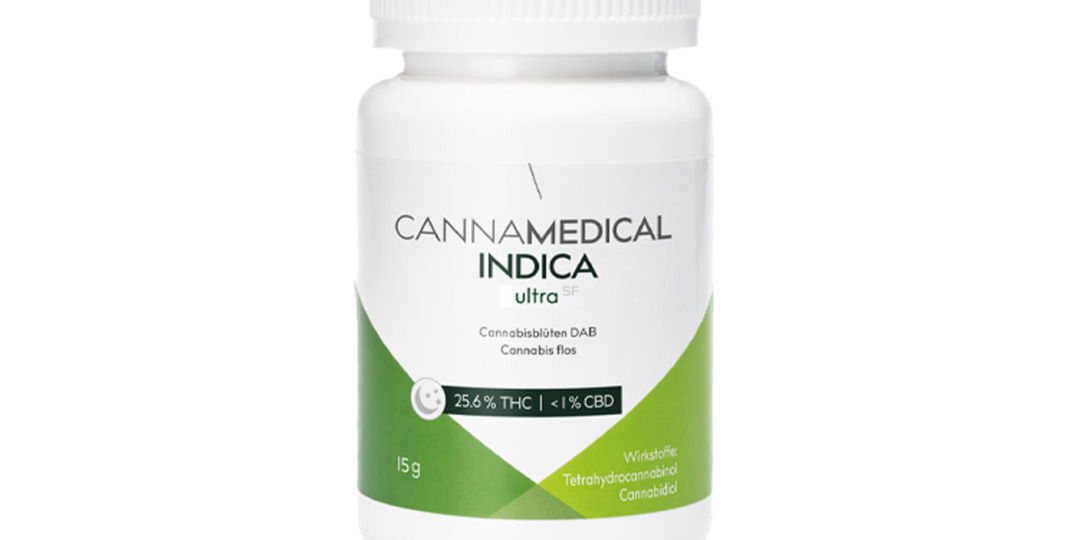
Among the companies operating at scale in this European supply network is Cannamedical Pharma GmbH, a Hamburg-based importer and distributor that works with a portfolio of more than 30 cultivators across multiple countries, offering over 100 products to markets including the United Kingdom. Cannamedical operates within the Semdor Pharma Group, a larger pharmaceutical distribution structure that provides additional regulatory and logistical infrastructure. Like other European CBPM suppliers operating in the UK market, Cannamedical must navigate both EU-GMP requirements and the specific import licensing conditions set by the UK Home Office and MHRA.
The fragmentation of the European supply chain, dozens of cultivators across five or six countries, each with slightly different product profiles and certification timelines, creates both resilience and complexity. UK importers and clinic networks must manage relationships with multiple suppliers simultaneously, partly because demand for specific products does not always align with what any single supplier can reliably provide in volume.
Industry observers note that the long-term trajectory is towards greater consolidation and, eventually, more domestic UK production. But that transition is likely to take years rather than months, and the European supply chain will remain central to the UK market throughout that period.
Explore our approach: Quality Standards: How Medical Cannabis Medicines Are Certified and Tested
The NHS and Private Divide: A Two-Tier System?
The central tension in British medical cannabis policy is not primarily scientific. It is structural. The medicines exist. The evidence base, while not yet as extensive as for conventional pharmaceuticals, is sufficient to support prescribing in a range of conditions. The legal framework, since 2018, permits it. What prevents the majority of patients who might benefit from accessing cannabis-based treatments is, simply, money.
NHS prescribing of CBPMs has remained stubbornly low. As of early 2025, NHS England had issued fewer than 20 approved prescriptions for cannabis-based medicines, primarily Epidyolex, a purified cannabidiol product licensed for rare childhood epilepsy syndromes, and Sativex, a nabiximols oral spray licensed for MS-related spasticity. These products, unlike the broader range of unlicensed CBPMs available via private prescription, have completed the full NICE technology appraisal process and received formal recommendation for NHS use.
The problem, as patient advocacy groups have argued for years, is that the NICE appraisal pathway, designed for conventional pharmaceuticals with extensive trial data, is poorly suited to cannabis-based medicines, whose therapeutic profile is complex, whose patient populations are heterogeneous, and whose product variety makes direct comparisons difficult. The ACMD acknowledged this in a 2023 report, recommending that NICE consider more flexible evaluation frameworks for CBPMs. Implementation of that recommendation has been slow.
Patient groups including the Cannabis Industry Council (UKCANN), End Our Pain, and the MS Society have argued that the two-tier system that has emerged, in which wealthy patients access effective medicine while poorer patients are left without, is ethically untenable and inconsistent with the founding principles of the National Health Service.
Related reading: The NHS and Private Medical Cannabis Divide Explained
Regulation: MHRA, ACMD, Home Office: Who Does What
The regulatory architecture governing medical cannabis in the UK is, to put it charitably, complex. Several overlapping bodies exercise authority over different aspects of the sector, and their jurisdictions do not always align neatly.
The Medicines and Healthcare products Regulatory Agency (MHRA) is responsible for the licensing of individual products as medicines, the oversight of manufacturers and importers, and the pharmacovigilance systems that track adverse events. It is the MHRA that determines whether a particular cannabis-based product meets the standards required for clinical use, and it is the MHRA that issues the import licences without which no product can enter the UK market legally.
The Advisory Council on the Misuse of Drugs (ACMD) is a statutory body that provides independent advice to the Home Secretary on drug policy. It was ACMD recommendations that underpinned the 2018 rescheduling, and subsequent ACMD reports have addressed issues including the evidence base for CBPM prescribing and the domestic cultivation licensing regime.
The Home Office retains responsibility for controlled drugs licensing, including the licences required by domestic cultivators, importers, and researchers. It is the Home Office licensing process that has drawn the most criticism from industry participants, who argue that the pace and complexity of the process is a disproportionate barrier to legitimate commercial activity.
General Medical Council standards govern the prescribing behaviour of individual clinicians. The Care Quality Commission (CQC) oversees the clinic networks as healthcare providers. NICE exercises enormous de facto authority through its technology appraisals, which effectively determine what the NHS will fund. This regulatory patchwork creates practical difficulties for an industry that spans manufacturing, clinical practice, pharmacy, and patient support.
The Patient Advocacy Movement and What They Are Demanding
The most powerful voices in the British medical cannabis debate have not come from industry. They have come from patients and families who found themselves in a system that had legalised access in principle while denying it in practice.
The campaign of Alfie Dingley, which contributed to the 2018 rescheduling, demonstrated the political potency of individual cases. End Our Pain, founded by families of children with treatment-resistant epilepsy, has maintained pressure on ministers and NHS commissioners for consistent access to products including Epidyolex and unlicensed cannabis flower medicines. The Medical Cannabis Clinicians Society has worked to provide clinical guidance that helps GPs and specialists understand the evidence base and feel more confident prescribing.
The demands of the advocacy movement have evolved over time. In the immediate post-2018 period, the primary goal was simply to get the first NHS prescriptions issued. As that proved unexpectedly difficult, attention shifted to the NICE review process, then to NHS commissioning policy, and most recently to the structural questions of cost and access that private prescribing alone cannot solve.
Patient groups have consistently called for a dedicated NHS prescribing pathway, simplified by condition rather than by individual product, that would allow GPs to refer suitable patients to specialist cannabis clinics for assessment and prescription on the NHS. They have also called for greater investment in UK clinical trials, the lack of which is one of the reasons NICE cannot recommend NHS funding.
What Is Next: NICE Reviews, Domestic Cultivation Licences, NHS Integration
The immediate future of British medical cannabis policy will be shaped by several overlapping processes, none of which is moving at speed.
NICE has indicated that it will review its guidance on cannabis-based medicines in the context of evolving international evidence, including long-term registry data from Canada, Germany, and Israel. A favourable NICE review of even one or two additional conditions, chronic neuropathic pain being the most widely discussed, could open the door to NHS prescribing at meaningful scale and transform the economics of the sector.
Several UK companies have received Home Office cultivation licences and are in various stages of building facilities capable of producing EU-GMP-certified product. If domestic supply begins to reach the market in meaningful volumes over the next two to three years, it could reduce import dependency and, potentially, costs. It would also give the UK cannabis industry a domestic production story that strengthens its lobbying position on NHS access.
The broader question of NHS integration remains unresolved. A growing number of voices within the medical profession, including within the British Medical Association, have called for a structured approach to evaluating CBPM prescribing that goes beyond the conventional NICE pathway. Whether such an approach materialises will depend partly on political will, partly on the evidence generated by ongoing research, and partly on the continuing pressure of patient advocacy.
What seems clear is that the British medical cannabis sector, for all its current limitations, is not going away. The patient demand is real. The clinical interest, particularly in pain medicine, neurology, and psychiatry, is growing. The supply chain exists. The regulatory framework, however imperfect, is in place. What has been missing, and what the next few years may determine, is the political and institutional will to make the system work for the patients it was, seven years ago, promised to serve.
UK Medical Cannabis at a Glance
| Indicator | Figures (2025 estimates) |
|---|---|
| Total active CBPM prescriptions | ~50,000 (private market) |
| NHS CBPM prescriptions | Fewer than 20 (licensed products only) |
| Private clinic networks operating at scale | 15-20 |
| Specialist dispensing pharmacies | Approximately 50 |
| Products imported vs domestically produced | 90%+ imported |
| Monthly patient cost (private) | 200-600 GBP typical range |
| Source countries (main) | Netherlands, Germany, Portugal, Canada |
| Regulatory bodies | MHRA, Home Office, ACMD, CQC, NICE, GMC |
| Key patient advocacy groups | End Our Pain, MCIC, UKCANN, Cannabis Industry Council |
Sources: MHRA published data; ACMD reports 2023-2024; NHS England commissioning guidance; Medical Cannabis Industry Council (MCIC); UKCANN; Cannabis Industry Council. Market estimates derived from industry association figures and published research.
For clinicians seeking guidance on CBPM prescribing: Cannamedical Britannia: Resources for Clinicians
Overview of the medical cannabis pathway: UK Medical Cannabis Guide: From Diagnosis to Prescription
Medically reviewed by the Cannamedical Britannia Clinical Team, May 2026. This article is intended for informational purposes and does not constitute medical advice. Patients should consult a qualified healthcare professional before considering any treatment.