- Medical Cannabis Flower (Dried Herb) — How It Works
- Cannabis Oils and Tinctures for Medical Use
- Cannabis Capsules and Tablets in the UK
- Medical Cannabis Vaporisers: Clinically Appropriate Devices
- Understanding THC:CBD Ratios in Medical Cannabis Products
- Product Type Comparison: Onset, Duration, Discretion and Dose Control
- Which Medical Cannabis Product Is Right for You?
- How Products Are Prescribed in UK Clinics

Find a UK-based prescribing clinician for medical cannabis.
Types of Medical Cannabis Products Available in the UK
Medical cannabis in the United Kingdom is available in several distinct product formats, each designed to meet different clinical needs, lifestyles and conditions. Since the landmark rescheduling in November 2018, specialist clinicians across the UK have been legally permitted to prescribe cannabis-based medicinal products (CBMPs) to patients for whom conventional treatments have proven insufficient.
Understanding the differences between flower, oil, capsules and vaporisers is essential for patients navigating the prescribing process. This guide provides a medically informed overview of every major product type currently available through UK-licensed clinics, with practical guidance on onset times, duration, dose control and suitability.
If you are new to medical cannabis, our complete UK patient guide is the best place to begin. If you are ready to speak to a specialist, you can find a prescribing doctor through our clinic directory.
Medical Cannabis Flower (Dried Herb) — How It Works
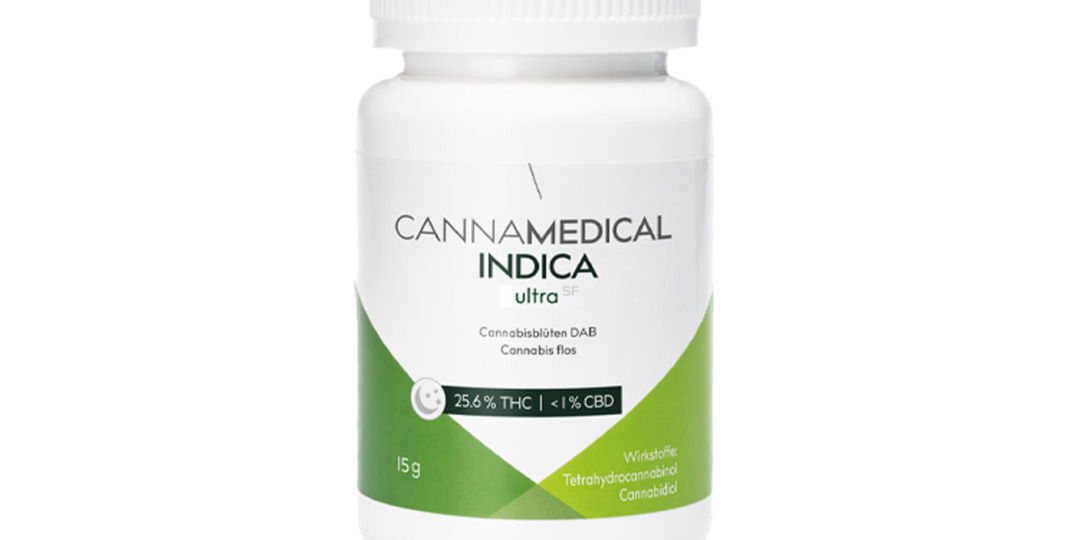
Cannabis flower — sometimes referred to as dried herb or flos — is the most established and clinically studied CBMP format. It consists of the dried, trimmed and quality-tested inflorescence of the Cannabis sativa L. plant, cultivated under tightly controlled pharmaceutical-grade conditions.
In the UK, all legally prescribed cannabis flower must meet stringent pharmaceutical standards. Cannamedical Britannia sources flower exclusively from EU-GMP certified cultivators across more than 30 cultivation partners worldwide, ensuring consistent cannabinoid profiles, microbial testing and pesticide-free production throughout the supply chain.
How it is administered: Prescribed flower is never combusted. UK clinical guidance is unequivocal on this point — burning plant material destroys active cannabinoids and introduces harmful byproducts. Instead, flower is used exclusively in dry-herb medical vaporisers, which heat the material to precise temperatures between 170°C and 210°C to release active compounds as vapour.
Cannabinoid profiles: Flower cultivars are categorised primarily by their THC:CBD ratio. A THC-dominant cultivar might carry a profile such as 22% THC / 1% CBD, while a balanced cultivar might present at 10% THC / 10% CBD. CBD-dominant varieties carry minimal THC with elevated CBD. The prescribing clinician selects the appropriate profile based on the patient’s condition, sensitivity and treatment history. You can explore available cultivars in our strain library.
Onset and duration: Inhalation via vaporiser delivers the fastest onset of any CBMP format — typically 5 to 15 minutes — with effects lasting between 2 and 4 hours. This makes flower particularly valuable for breakthrough symptoms, acute pain episodes and conditions where rapid relief is clinically necessary.
Cannabis Oils and Tinctures for Medical Use
Cannabis oils represent one of the most versatile formats in the UK prescribing landscape. They are produced by extracting cannabinoids from the plant material using pharmaceutical-grade processes, then suspending the extract in a carrier oil — typically medium-chain triglyceride (MCT) oil derived from coconut or palm kernel.
Oils are administered sublingually (under the tongue) using a calibrated dropper or pump, allowing the active compounds to absorb directly into the bloodstream via the mucous membranes. This route bypasses first-pass hepatic metabolism, resulting in a faster onset compared to oral capsules.
Onset and titration: Sublingual absorption typically produces effects within 15 to 45 minutes, with a duration of 4 to 8 hours. Oils also allow for precise dose titration — patients can adjust by individual drops, making them highly suitable for the “start low, go slow” approach recommended by UK clinical guidelines.
THC:CBD ratio in oils: As with flower, oils are available in THC-dominant, CBD-dominant and balanced ratios. Balanced oils (for example, 5mg/ml THC : 5mg/ml CBD) are frequently prescribed as a first-line option for patients new to cannabinoid therapy, as the presence of CBD can moderate THC-associated effects while contributing its own therapeutic properties.
Tinctures: Alcohol-based tinctures are a related format, less common in the UK market but available through some specialist prescribers. They share the sublingual route with oils and offer similar pharmacokinetic profiles.
Cannabis Capsules and Tablets in the UK
For patients who prioritise discretion, consistent dosing and a familiar oral medicine format, cannabis capsules and tablets offer significant advantages. These products contain a fixed, pre-measured dose of cannabinoid extract — typically in soft-gel or hard-shell capsule form — which is swallowed and absorbed through the gastrointestinal tract.
Pharmacokinetics of oral administration: Because capsules are absorbed via the digestive system, onset is considerably slower than inhalation or sublingual administration — typically 45 minutes to 2 hours, with peak effects sometimes not felt until 3 hours post-dose. However, the duration of action is substantially longer, often persisting for 6 to 10 hours. This makes capsules well-suited to chronic conditions where sustained symptom management throughout the day or night is the primary clinical goal.
Predictability and dose control: Capsules offer the highest degree of dosing consistency of any CBMP format. Because each capsule contains a precisely measured amount of extract, there is no variability from patient technique — an important consideration for patients who find dose titration challenging or who require stable blood-level maintenance.
Food interactions: The absorption of oral cannabinoids is significantly enhanced by fat-containing meals. Patients prescribed capsules are typically advised to take them with or shortly after food to maximise bioavailability and reduce erratic absorption.
Medical Cannabis Vaporisers: Clinically Appropriate Devices
The vaporiser is the clinical delivery device that makes inhalation of cannabis flower medically appropriate. Unlike consumer products, prescribed vaporisers used in UK clinical practice are regulated medical devices. The Bedrocan Volcano Medic 2 — manufactured by Storz & Bickel — has received regulatory clearance in multiple jurisdictions and is among the most referenced devices in UK clinical settings.
How medical vaporisers work: A dry-herb vaporiser heats cannabis flower to a controlled temperature — typically between 170°C and 210°C — to volatilise cannabinoids and terpenes without reaching the combustion threshold (approximately 230°C). The resulting vapour contains the active compounds without the carbon monoxide, tar and byproducts associated with combustion.
Temperature precision: Different cannabinoids and terpenes have different boiling points. THC volatilises most efficiently at approximately 157°C, while CBD peaks closer to 180°C. Terpenes — which contribute to the entourage effect — span a range from 155°C to 200°C. Medical-grade vaporisers allow clinicians and patients to fine-tune temperature settings to optimise the release of specific compounds for each individual prescription.
Prescribing vaporisers in the UK: Vaporisers are typically prescribed alongside flower as part of a complete CBMP prescription. Costs are not reimbursed by the NHS for private CBMP prescriptions, so patients should factor device costs into their planning. Some clinics offer device lending or subsidised purchase schemes.
Understanding THC:CBD Ratios in Medical Cannabis Products
One of the most clinically significant variables in any cannabis product is its ratio of tetrahydrocannabinol (THC) to cannabidiol (CBD). These two primary cannabinoids have distinct mechanisms of action, and their ratio profoundly affects both the therapeutic outcome and the patient experience.
THC-dominant products (e.g., 20:1 THC:CBD) are typically prescribed for patients with severe chronic pain, treatment-resistant nausea, significant sleep disturbance or conditions where robust analgesic or antiemetic effect is required. THC acts on CB1 receptors throughout the central nervous system, modulating pain signalling, nausea pathways and sleep architecture. Higher-THC products require careful dose titration and are generally reserved for patients with some prior cannabinoid exposure or a clear clinical indication.
CBD-dominant products (e.g., 1:20 THC:CBD or CBD-only formulations) are often a first-choice option for patients who are particularly sensitive or who require anti-inflammatory, anxiolytic or anticonvulsant effects without significant psychoactive properties. CBD does not bind directly to CB1 receptors at typical doses.
Balanced products (e.g., 1:1 or 1:2 THC:CBD) represent the fastest-growing segment of the UK CBMP market. Evidence suggests that the presence of CBD can attenuate some THC-associated side effects — including anxiety and cognitive impairment — while potentially enhancing analgesic efficacy through synergistic mechanisms often described as the entourage effect. Balanced ratios are commonly prescribed as a starting point for patients new to cannabinoid therapy.
Product Type Comparison: Onset, Duration, Discretion and Dose Control
The table below provides a clinical summary of the four primary CBMP product formats available through UK prescribing clinics. These figures represent typical ranges — individual pharmacokinetics vary based on body weight, metabolic rate, tolerance and the specific product used.
| Product Type | Onset Time | Duration | Discretion | Dose Control |
|---|---|---|---|---|
| Flower (via vaporiser) | 5–15 minutes | 2–4 hours | Moderate | Good (inhale-by-inhale) |
| Oil / Tincture (sublingual) | 15–45 minutes | 4–8 hours | High | Excellent (drop-by-drop) |
| Capsules / Tablets (oral) | 45 min–2 hours | 6–10 hours | Very High | Excellent (fixed dose) |
| Vaporisable Extract | 5–10 minutes | 2–3 hours | High | Moderate |
Which Medical Cannabis Product Is Right for You?
No single CBMP format is universally superior — the right product depends on the patient’s specific condition, lifestyle, sensitivity profile and therapeutic goals. UK specialist clinicians consider several factors when making prescribing decisions:
- Condition and symptom pattern: Acute breakthrough pain may require fast-onset inhalation via vaporiser, while chronic daily symptoms may be better managed by the sustained action of capsules or oils.
- Previous cannabinoid exposure: Patients with no prior experience are typically started on lower-THC formulations — often a CBD-dominant or balanced oil — before titrating upward.
- Lifestyle and discretion: Patients who need to medicate in professional environments often prefer capsules or drops over vaporisers, which require equipment and produce visible vapour.
- Comorbidities and contraindications: Respiratory conditions may make inhalation less appropriate. Gastrointestinal conditions affecting absorption may reduce the effectiveness of oral formats. Your prescribing doctor will account for these factors.
- Dose sensitivity: Patients who need very fine-grained dose adjustments benefit most from oils or flower, which allow incremental titration. Capsules are better suited to patients with an established, stable dose.
Many patients ultimately use a combination of formats — for example, a regular evening capsule for sleep maintenance alongside a daytime oil for symptom management. Multi-product prescriptions are common in UK specialist practice and are fully supported within the CBMP framework.
How Products Are Prescribed in UK Clinics
Medical cannabis in the UK can only be prescribed by a specialist clinician — a doctor on the General Medical Council’s Specialist Register — not by a GP. The prescribing pathway typically follows these stages:
- Initial consultation: The specialist reviews the patient’s full medical history, previous treatments and current symptoms. For a CBMP to be considered, the patient typically must have tried at least two conventional treatments for their condition without adequate response.
- Product selection: The clinician selects the appropriate CBMP format and cannabinoid ratio based on the clinical picture. Products sourced through suppliers such as Cannamedical Britannia — with full EU-GMP certification and documented supply chains across 30+ cultivation partners — provide the clinical confidence required for specialist prescribing.
- Prescription issuance: CBMPs fall under Schedule 2 of the Misuse of Drugs Regulations 2001. Prescriptions are written on standard FP10 forms (or private equivalents) and must be taken to a pharmacy authorised to dispense Schedule 2 controlled drugs.
- Dispensing: Only specialist pharmacies stock CBMPs. The Cannamedical Britannia network supports pharmacists across the UK through dedicated pharmacy partner resources, product data sheets and clinical support lines.
- Ongoing review: Prescriptions are typically issued for 30-day supplies, with regular clinical review to assess efficacy, tolerability and dose adjustments. Patients are encouraged to maintain a symptom diary to support these reviews.
If you are considering medical cannabis and want to understand whether you may be eligible, our doctor finder tool connects you with specialist clinicians across the UK. For an in-depth overview of the entire patient journey, read our UK medical cannabis guide.
Medically reviewed by the Cannamedical Britannia Clinical Team, May 2026.