- Nabiximols (Sativex) — The NICE-Approved Cannabis Medicine for MS
- Unlicensed Cannabis Medicines for MS in the UK
- MS Symptoms That Respond to Medical Cannabis
- How to Access Medical Cannabis for MS in the UK
- Which Products Are Prescribed for MS?
- Costs — NHS vs Private for MS Cannabis Treatment
- MS Society UK Position on Medical Cannabis
- Frequently Asked Questions
- Sources and Further Reading

Find a UK-based prescribing clinician for medical cannabis.
Multiple sclerosis (MS) affects more than 130,000 people in the United Kingdom, making it one of the most common neurological conditions in the country. Among the most debilitating and frequently undertreated symptoms are spasticity — the involuntary muscle stiffness and spasms that affect up to 80% of people with MS — and chronic neuropathic pain, which significantly impairs daily functioning and quality of life. Despite decades of conventional treatment, a substantial proportion of patients continue to experience inadequate symptom relief.
In recent years, medical cannabis has emerged as a clinically relevant option for MS-related spasticity and pain. The UK is home to the only cannabis-based medicine formally approved by NICE for MS — nabiximols (Sativex) — and a growing body of real-world evidence supports the use of unlicensed cannabis medicines through the private prescription route. This guide covers everything you need to know about medical cannabis for MS in the UK: what is approved, what is available privately, how symptoms respond, and how to access treatment.
Nabiximols (Sativex) — The NICE-Approved Cannabis Medicine for MS
Nabiximols, marketed under the brand name Sativex, is an oromucosal spray containing a 1:1 ratio of THC (delta-9-tetrahydrocannabinol) and CBD (cannabidiol) derived from Cannabis sativa plant extracts. It is the only cannabis-based medicine with a UK marketing authorisation specifically for MS-related spasticity.
In 2022, NICE published Technology Appraisal TA745, which assessed nabiximols as an add-on treatment for moderate-to-severe spasticity in adults with MS who have not responded adequately to other anti-spasticity medicines. NICE recommended nabiximols as a cost-effective option — but only within a managed access arrangement tied to a specific commercial agreement between NHS England and the manufacturer, Almirall.
In practice, NHS access remains rare. The reasons are structural:
- Commissioning gaps: NHS England has not universally commissioned Sativex across all integrated care boards (ICBs), meaning availability varies significantly by region.
- Prescriber unfamiliarity: Many NHS neurologists remain uncertain about prescribing cannabis-based medicines, partly due to limited training and partly due to institutional caution.
- Initial trial requirement: Patients must first demonstrate an inadequate response to at least two conventional anti-spasticity medications (such as baclofen or tizanidine) before Sativex is considered.
- Responder criteria: A four-week trial of Sativex is typically conducted; treatment continues only in patients who achieve a 20% or greater reduction in spasticity score — this responder filter limits ongoing NHS prescribing.
For patients who do qualify and respond, Sativex can be genuinely transformative for spasticity control. However, the reality for most MS patients is that NHS access remains an exceptional rather than routine pathway. This is why many turn to the private prescription route.
Unlicensed Cannabis Medicines for MS in the UK
Since November 2018, specialist doctors in the UK have been legally permitted to prescribe unlicensed cannabis-based medicines (CBMs) for conditions including MS. This opened the door to a wider range of products — including cannabis flower and full-spectrum oils — available through private cannabis clinics and specialist pharmacies.
Project TWENTY21, the UK’s largest real-world evidence study on medical cannabis, enrolled thousands of patients across multiple conditions, including MS. Data published from the MS cohort demonstrated clinically meaningful improvements in spasticity, pain, sleep quality and general health-related quality of life over a six-month follow-up period. Patients reported reductions in spasm frequency and severity, decreased reliance on conventional spasticity medications, and improved sleep — a particularly significant finding given the bidirectional relationship between poor sleep and MS symptom burden.
The products most commonly prescribed for MS through private channels include:
- THC:CBD oils: Full-spectrum or broad-spectrum oils, typically taken sublingually. Ratios vary depending on symptom profile — higher THC ratios are often used for severe spasticity, while balanced ratios may be preferred for pain and sleep.
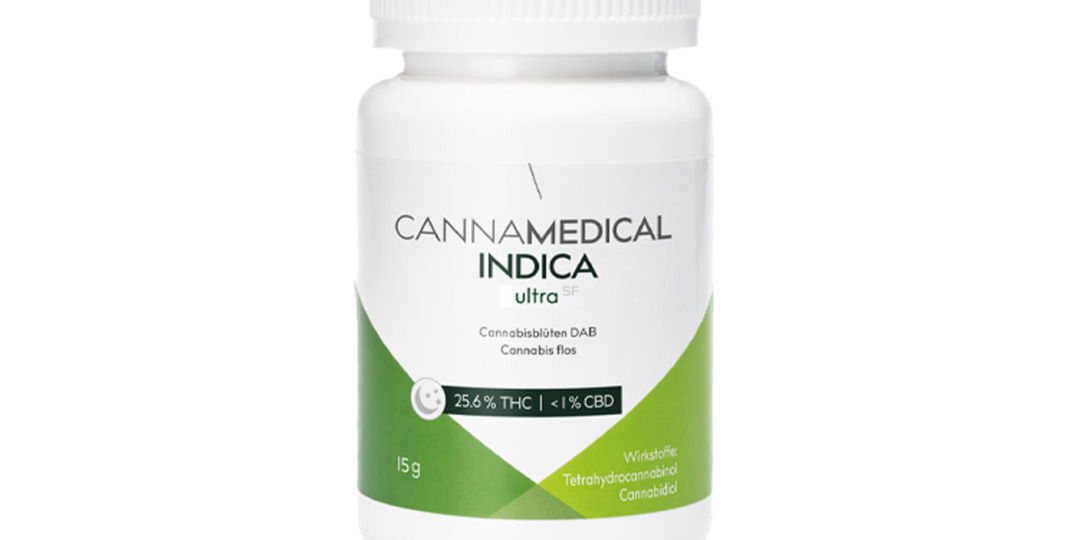
- Cannabis flower: Dried flower for use with a medical vaporiser. Indica-dominant strains are frequently prescribed for spasticity, particularly for evening and night-time use, given their more sedating and muscle-relaxant properties.
- Capsules and oral preparations: For patients who prefer a non-inhalation route and consistent dosing.
Unlike Sativex, unlicensed CBMs are prescribed on the basis of clinical judgement, patient history, and published evidence. Prescribers experienced in MS and cannabinoid medicine are best placed to guide product selection and titration. You can explore available strain categories on the cannamedical strains page.
MS Symptoms That Respond to Medical Cannabis
The evidence base for medical cannabis in MS is more developed than for most other conditions. Here is a symptom-by-symptom summary of what the research shows:
Spasticity
This is the best-evidenced indication. Multiple randomised controlled trials and systematic reviews — including a Cochrane review and meta-analyses published in Lancet Neurology — confirm that cannabinoids reduce patient-reported spasticity scores compared to placebo. The effect size is moderate; most patients do not experience complete relief, but many achieve meaningful functional improvement. The NICE TA745 approval for Sativex reflects this evidence base.
Neuropathic Pain
Central neuropathic pain affects approximately 50–70% of people with MS and is notoriously difficult to treat with standard analgesics. Cannabinoids act on the endocannabinoid system — including CB1 receptors in the central nervous system — to modulate pain signalling. Clinical studies in MS populations have shown statistically significant reductions in neuropathic pain intensity with both nabiximols and THC-dominant preparations. For patients who have failed gabapentinoids or tricyclic antidepressants, medical cannabis represents a biologically plausible and clinically supported alternative.
Sleep Disturbance
Poor sleep is nearly universal in MS, driven by spasticity, pain, bladder dysfunction and mood disorders. CBD and certain terpene profiles have sleep-promoting properties independent of THC-mediated sedation. Project TWENTY21 data showed statistically significant improvements in sleep quality scores in MS patients over six months of treatment. Indica-dominant flower strains, in particular, are frequently reported by patients and clinicians as beneficial for sleep onset and continuity.
Bladder Dysfunction
Neurogenic bladder — including urgency and frequency — is a significant quality-of-life issue for many MS patients. Small studies and some trial data have suggested modest benefits of cannabinoids for urinary urgency, though the evidence here is less robust than for spasticity and pain. It remains an area of ongoing research and is sometimes discussed as a secondary outcome in cannabis prescribing for MS.
How to Access Medical Cannabis for MS in the UK
There are two routes: NHS and private. For the vast majority of MS patients, the private route is the realistic pathway.
NHS Route
- Speak to your NHS neurologist about Sativex. They must confirm that you have moderate-to-severe spasticity and have tried at least two conventional anti-spasticity medications without adequate relief.
- If eligible, your neurologist can initiate a supervised four-week trial of Sativex.
- If you achieve a 20%+ reduction in spasticity score, ongoing prescribing may be continued.
- Be aware that availability depends on your ICB and hospital formulary. Some areas have not yet commissioned Sativex.
Private Route
- Step 1: Obtain a referral letter from your GP or gather relevant medical records documenting your MS diagnosis, symptom history, and previous treatments tried.
- Step 2: Book a consultation with a specialist cannabis prescriber — either an MS-specialist neurologist or a registered cannabis clinic with experience in neurological conditions. Use our Find a Doctor tool to locate a specialist near you.
- Step 3: At the consultation, the prescriber will review your case, assess suitability for cannabis-based medicines, and discuss potential products, dosing, and risks.
- Step 4: If appropriate, a prescription is issued. This is fulfilled by a specialist pharmacy registered to dispense Schedule 2 controlled drugs. Products are delivered directly to your home.
- Step 5: Regular follow-up appointments (typically monthly initially) are required to titrate dosing, monitor response, and document outcomes.
Most patients start to notice effects within one to two weeks of consistent use, though optimal dosing can take four to eight weeks to establish. Full details on how medical cannabis prescribing works in the UK are available in our patient guide.
Which Products Are Prescribed for MS?
Product selection for MS is guided by symptom profile, severity, and patient preference. Here is an overview of commonly prescribed categories:
| Product Type | Common Use in MS | Notes |
|---|---|---|
| Nabiximols (Sativex) spray | Spasticity (NHS/private) | Standardised 1:1 THC:CBD; oromucosal delivery |
| THC-dominant oil | Severe spasticity, pain | Higher THC for muscle-relaxant and analgesic effect |
| Balanced THC:CBD oil | Pain, anxiety, general symptom management | Broader therapeutic profile; fewer psychoactive effects |
| Indica-dominant flower | Spasticity (especially evening), sleep | Vaporised; rapid onset; suitable for night-time use |
| CBD-rich preparations | Anxiety, mild pain, adjunctive use | Non-psychoactive; may be combined with THC products |
Prescribers with MS expertise tend to start patients on lower THC doses and titrate upward slowly to minimise side effects such as dizziness, cognitive effects, or fatigue — all of which can be particularly problematic in an MS population. Explore the full strains and product categories available at cannamedical. Information on product sourcing and quality standards is available on our quality page.
Costs — NHS vs Private for MS Cannabis Treatment
Cost is a significant consideration. Here is a practical comparison:
| Route | Consultation Cost | Monthly Medication Cost | Ongoing Reviews |
|---|---|---|---|
| NHS (Sativex) | No charge (via NHS referral) | Standard prescription charge (or free if exempt) | Via NHS neurologist |
| Private cannabis clinic | £150–£300 (initial) | £150–£500+ (depending on product and dose) | £75–£150 per follow-up |
Private health insurance policies in the UK do not routinely cover medical cannabis prescriptions, though this is an evolving area and some insurers are beginning to offer limited coverage for specialist consultations. It is worth contacting your insurer directly to clarify your policy. For many patients, the monthly cost of private treatment — while significant — is weighed against the impact of uncontrolled spasticity or pain on their ability to work and function independently.
MS Society UK Position on Medical Cannabis
The MS Society UK has adopted a broadly supportive and evidence-led stance on medical cannabis. The organisation acknowledges the evidence for nabiximols in spasticity management and supports improved NHS access. Their position statement notes that while Sativex is NICE-approved for MS spasticity, many patients face barriers to access, and that further research is needed to better understand the benefits and risks of other cannabis products for MS symptoms.
The MS Society does not endorse specific private clinics or unlicensed products, but has called for greater research investment and improved commissioning of approved treatments. Their published guidance encourages patients to discuss cannabis options openly with their neurologist rather than self-medicating — a position aligned with the regulated prescription framework in place in the UK.
Frequently Asked Questions
Can my NHS neurologist prescribe cannabis for MS?
Yes, but only Sativex (nabiximols), and only under specific criteria — moderate-to-severe spasticity with an inadequate response to at least two conventional anti-spasticity medications. Prescribing of unlicensed cannabis products on the NHS remains extremely rare and typically requires approval through an exceptional circumstances process. For most MS patients, the private route is the practical pathway to unlicensed cannabis medicines.
Is Sativex the same as street cannabis?
No. Sativex is a standardised, licensed pharmaceutical product containing precisely measured quantities of THC and CBD derived from controlled cannabis plant cultivation. Street cannabis is unregulated, of variable composition and purity, and may contain harmful contaminants. Pharmaceutical-grade cannabis medicines — whether Sativex or unlicensed products prescribed through regulated channels — are produced under Good Manufacturing Practice (GMP) standards and subject to rigorous quality controls.
How quickly does medical cannabis work for MS spasticity?
Inhaled cannabis flower typically produces effects within minutes via vaporisation. Sublingual oils usually take 15–45 minutes to onset, with effects lasting several hours. Capsules have a slower, more prolonged onset. Most patients and clinicians assess response after four weeks of consistent use, as this allows for dosing stabilisation. Some patients notice meaningful improvement within days; for others, it takes several weeks of careful titration.
Can I combine medical cannabis with other MS medications?
In many cases, yes — but only under medical supervision. Medical cannabis is often used as an adjunct to existing MS disease-modifying therapies (DMTs) rather than a replacement. However, there are known interactions to be aware of: cannabis can enhance the sedative effects of muscle relaxants such as baclofen, and THC may affect the metabolism of certain medications via cytochrome P450 enzymes. A specialist prescriber experienced in MS will review your full medication list before initiating treatment.
Sources and Further Reading
- NICE Technology Appraisal TA745 — Nabiximols for treating spasticity in multiple sclerosis (2022)
- MS Society UK — Position statement on cannabis and MS
- Langford RM et al. — THC/CBD oromucosal spray for central neuropathic pain in MS, Journal of Neurology, 2013
- Markova J et al. — Sativex SAVANT trial, International Journal of Neuroscience, 2019
- Project TWENTY21 — Real-world evidence registry MS cohort, Drug Science, 2021–2023
- Whiting PF et al. — Cannabinoids for medical use: a systematic review and meta-analysis, JAMA, 2015